Song Meaning
The lyrics paint a picture of a life lived with simple pleasures and a strong sense of self. Mornings begin with a gentle routine: waking up, a loving shower, and a shared breakfast of juice, toast, coffee, and jam with a sister. This domestic tranquility is contrasted with a fierce declaration of independence, asserting a desire to live life on one's own terms, whether laughing or singing all night. The narrator emphasizes that love and people are their driving force, a stark contrast to how someone else perceives them.
The central tension arises from a feeling of being misunderstood and exploited. The narrator directly confronts someone who seems to view them as a mere 'piggy bank' ('hucha'), implying a transactional and unreciprocated relationship. This person is told they will gain nothing from the narrator's heart, insides, or body, which are described as a 'wall' ('muro'). This strong imagery signifies a protective barrier against emotional or material exploitation, highlighting a deep-seated resistance to being taken advantage of.
A particularly vivid and somewhat jarring shift occurs with the introduction of familial elements and a strong rejection of unwanted attention. The narrator calls for their sister to add 'a little garlic' ('un poquito de ajo'), a culinary ingredient that can also imply a protective or warding-off quality, perhaps against negative influences. This is followed by a dismissive 'to hell with this brother and his son' ('con este hermano y su hijo al carajo'), suggesting a complex family dynamic or a specific grievance. The abrupt mention of refreshing gazpacho and the exasperated cry 'I'm sick of living with jerks' ('que estoy hartita de vivir con mamarrachos') underscores a desire to cleanse their life of unpleasant people and situations.
What makes these lyrics resonate is the raw, unfiltered expression of personal boundaries and the pursuit of authentic living. The narrator’s embrace of simple joys like gazpacho and their firm stance against exploitation, coupled with a defiant spirit, creates a compelling portrait of self-preservation. The repeated phrase 'con amor' (with love) used in mundane and even defiant contexts adds a layer of complexity, suggesting that even in setting boundaries or expressing frustration, there's an underlying current of genuine feeling or a desire for positive connection, albeit selectively applied.
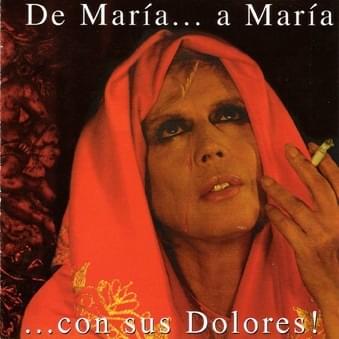
 View Artist