Song Meaning
The lyrics paint a picture of cyclical existence, where each day feels like a repetition of the last. Phrases like "Mais uma página do mesmo livro" and "Mais uma parte da mesma história" establish a tone of weary familiarity. This sense of being trapped in a loop is amplified by the contrasting images of "mesmo riso" (same smile) leading to "mesma ruga" (same wrinkle), suggesting that even moments of joy contribute to the unchanging pattern of life. The repeated refrain, "A gente vive a história, vive a gente," underscores this idea that personal identity and the narrative of life are inextricably bound, perhaps even indistinguishable.
The central tension arises from the narrator's apparent resignation to this endless cycle, yet there's a subtle undercurrent of something more. The initial verses present a world where every element – shelter, glory, laughter, stars, the circus, and even the self – is presented as a mere iteration of what has come before. This creates a feeling of stagnation, where progress or genuine change seems absent. The repetition isn't just a lyrical device; it's the thematic core, emphasizing a life lived on repeat.
The most striking shift occurs in the final stanza. The narrator declares, "Sou pássaro no pé do vento" (I am a bird at the foot of the wind), a powerful metaphor for freedom and movement. This image directly contrasts the earlier stasis, suggesting an internal capacity for change or at least a different perspective. The line "E sem ser mais do mesmo / Ainda sou quem era" is particularly potent; it implies that embracing movement and the unpredictable nature of the wind doesn't erase the core self but rather allows it to exist authentically, free from the confines of the "same old."
This lyrical construction is effective because it grounds a potentially abstract feeling of existential repetition in concrete, relatable imagery. The shift from the claustrophobic repetition of the verses to the expansive freedom of the final stanza creates a powerful emotional release. It suggests that even within a seemingly unchanging life, the spirit can find ways to move and remain true to itself, offering a hopeful, albeit nuanced, resolution to the pervasive sense of sameness.
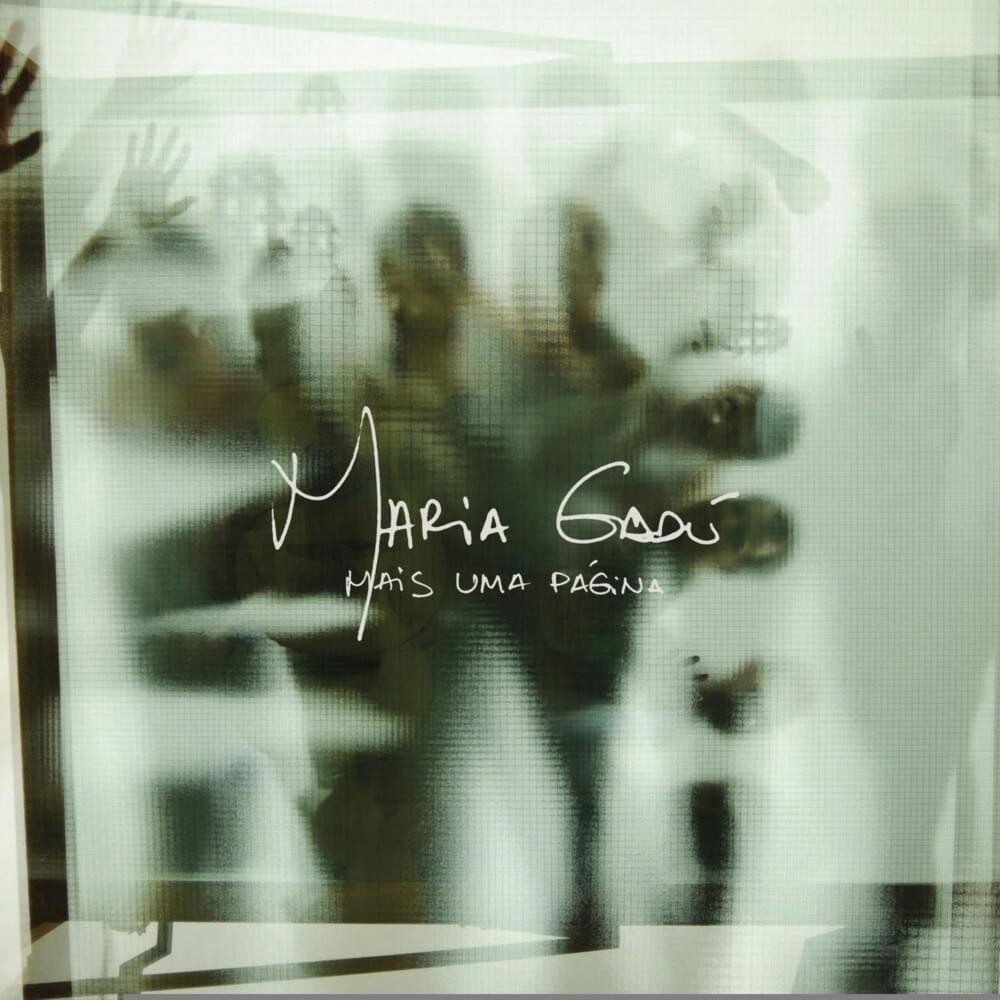
 View Artist