Song Meaning
The lyrics paint a stark picture of enslaved life, centering on the figure of Mãe Preta. She is depicted in a domestic role, tending to the white child of her enslaver, her appearance marked by age and labor: "Pele encarquilhada, carapinha branca." This image immediately establishes a tone of weary resignation, juxtaposed with the supposed "alegria" she shows towards the white family.
The core tension lies in the brutal contrast between Mãe Preta's outward duty and the suffering happening elsewhere. While she rocks the white child, "Enquanto na senzala Pai João apanhava," suggesting a personal loss or violence inflicted upon someone she cares for. This duality highlights the impossible position of enslaved people forced to nurture their oppressors while enduring their own pain and witnessing that of others.
The repetition of "Mãe Preta embalava o filho branco do senhor" alongside the violence of the whip ("Enquanto que a chibata batia em seu amor") is devastating. It underscores the forced intimacy and the profound injustice of her labor, where her nurturing care is directed towards the family responsible for the suffering of her own people, possibly even her own beloved.
This lyrical construction forces the listener to confront the dehumanizing nature of slavery. The narrative doesn't offer escape or rebellion, but rather a raw portrayal of endurance and the deep, hidden sorrow of a woman caught between her imposed role and her own humanity, making the simple act of rocking a cradle a profound act of survival under duress.
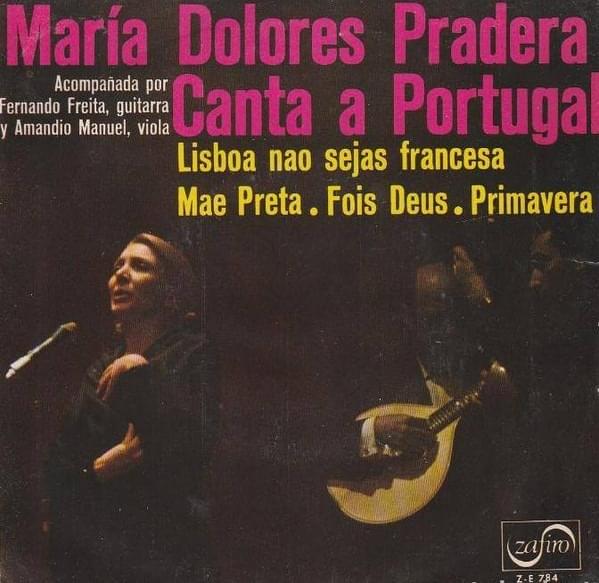
 View Artist