Song Meaning
The lyrics paint a vivid picture of isolation and resilience, framing the speaker as an "illa" (island) adrift. The initial departure from home sets a tone of being lost, a feeling amplified by the imagery of tangled hair now submerged or floating, becoming "rocam per als naufragis" (rock for shipwrecks). This isn't a passive victimhood, though; it's a transformation.
The core tension lies in the speaker's relationship with the elements. The wind and storms, rather than destroying, "han obert els braços" (have opened their arms), suggesting an embrace of harsh conditions. The eyes are "sempre badats cap als estels" (always open towards the stars), indicating a persistent gaze outward, perhaps seeking guidance or simply observing the vastness. This acceptance of external forces has physically shaped the speaker, with "l'oratge ha modelat el pit i el ventre" (the weather has molded the chest and belly).
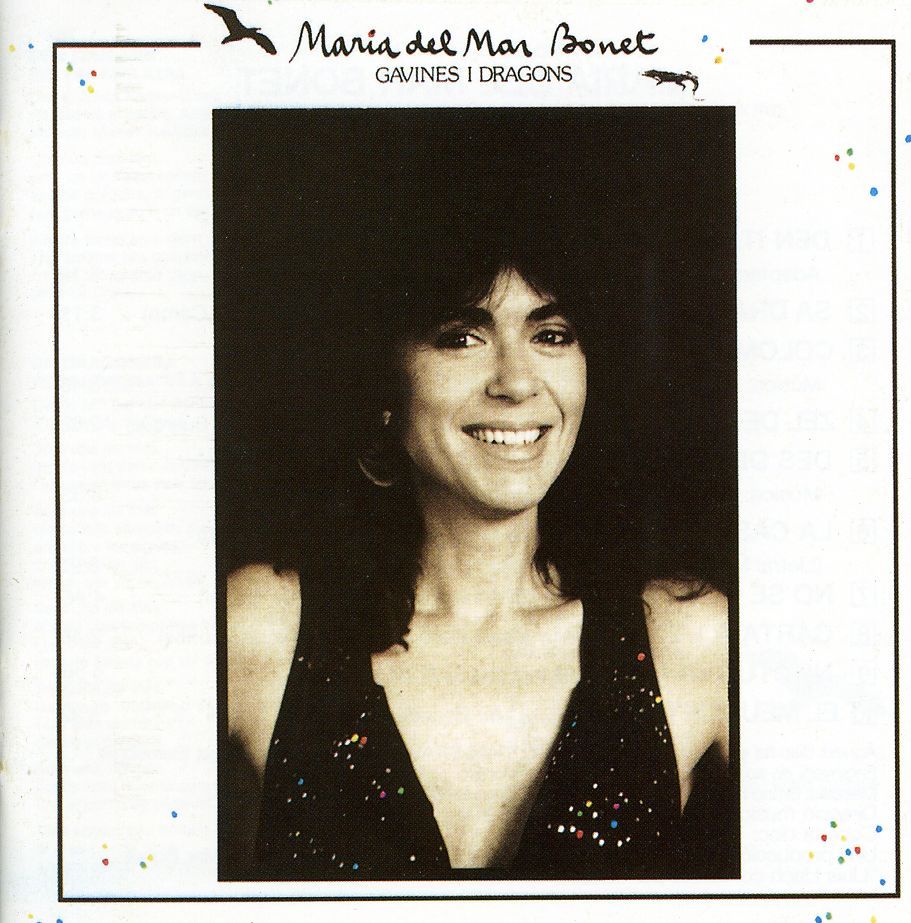
The most striking craft is the personification of the island self, which is simultaneously a refuge and a ruin. "Em nien als forats / Gavines i dragons" (Gulls and dragons nest in my holes) is a powerful image of life finding a home within decay or exposure. The "cor de terra" (heart of earth) within this "cau ombriu" (shadowy den) continues to sing "salvatge" (wildly), highlighting an enduring, untamed spirit despite the solitude and the passage of time, marked by "els seus colors" (its colors) accompanying each hour.
This piece resonates because it transforms the experience of being lost and battered into a source of strength and unique identity. The speaker isn't just surviving; they are actively being shaped by their environment, becoming a wild, singing entity. The lyrics suggest that true belonging isn't about finding a fixed place but about embracing the elemental forces that mold us, finding life even in the most exposed or shadowed parts of ourselves.
 View Artist