Song Meaning
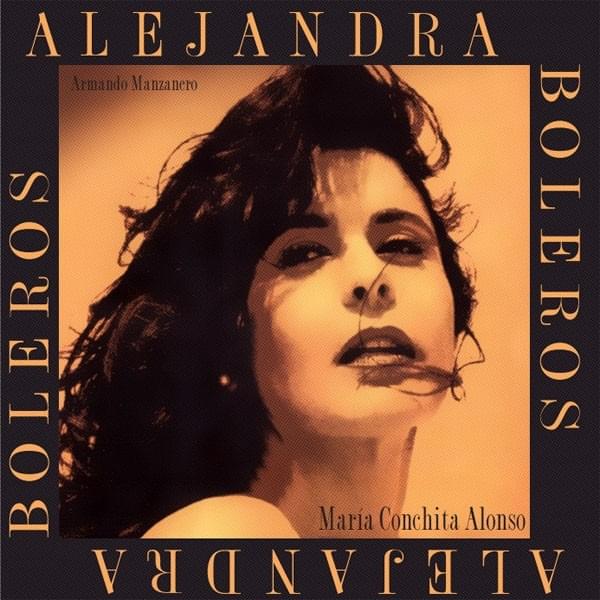
María Conchita Alonso's "Tú Me Acostumbraste" isn't just a torch song; it's a psychological post-mortem of a love affair that fundamentally reshaped the narrator's emotional landscape. The lyrics lay bare the vulnerability of someone molded by a partner, only to be abandoned with no instruction manual for solitary existence. It's a raw exploration of dependency and the cruel irony of being educated in love, but left illiterate in heartbreak. The core of the song meaning resides in the inherent unfairness of the situation: "Tú me acostumbraste / A todas esas cosas / Y tú me enseñaste / Que son maravillosas." She was shown the sublime, introduced to a heightened reality of connection, but then cast out without the tools to navigate the ordinary world.
The genius of "Tú Me Acostumbraste" lies in its simplicity. There's no melodrama, only a stark, almost clinical dissection of emotional conditioning. The narrator admits to a naivete, a prior inability to comprehend the particular brand of love offered: "Yo no concebía / Cómo se quería / En tu mundo raro / Y por ti aprendí." This admission highlights the power dynamic at play. One party held the keys to a unique emotional kingdom, and the other became utterly reliant on their guidance. The use of "mundo raro" (strange world) implies that the love was unconventional, exclusive, perhaps even isolating from other relationships and support systems.
The devastating question, "¿Por qué no me enseñaste / Cómo se vive sin ti?" is the emotional crux of the song. It's not merely a plea for reconciliation; it's an accusation of negligence. The lover had a responsibility, having so thoroughly integrated themselves into the narrator's sense of self, to provide a pathway to independence. The repetition of this question underscores the depth of the void left behind. María Conchita Alonso delivers this with a poignant blend of regret and resentment, capturing the universal experience of being irrevocably changed by love, for better or worse, and then left to grapple with the aftermath alone.
 View Artist