Song Meaning
The lyrics open with a direct invocation to "Casta Diva," a chaste goddess, asking her to illuminate sacred plants and show her face without clouds or veils. This sets a tone of reverence and supplication, seeking divine intervention for a troubled heart and an "audacious zeal." The initial plea is for peace, a reflection of the tranquility the goddess supposedly commands in heaven.
The narrative then shifts, referencing a ritual and a sacred grove to be cleared of the profane. There's a sense of impending doom or divine wrath, where the "angry and dark deity" might demand "the blood of the Romans." This introduces a dramatic tension, hinting at a conflict or sacrifice that requires a powerful, perhaps fearsome, divine presence.
The most striking shift occurs in the latter half, moving from the divine invocation to a deeply personal plea. The speaker addresses someone directly, expressing an inability to punish them despite having the power: "But, to punish him, the heart knows not." This reveals a profound emotional conflict, a struggle between duty or anger and enduring love. The repeated calls for "Ah! bello a me ritorna" (Ah! beautiful one, return to me) emphasize a desperate longing for a lost love, a return to a "faithful first love" and the "serene ray" of their presence.
The effectiveness of these lyrics lies in their dramatic arc, moving from a grand, almost operatic invocation of a goddess to the raw, intimate pain of lost love. The contrast between the sacred and the personal, the divine plea and the human heartbreak, creates a powerful emotional resonance. The repeated, almost pleading, refrains of return highlight the speaker's vulnerability and the depth of their desire, making the personal tragedy feel as significant as the divine pronouncements.
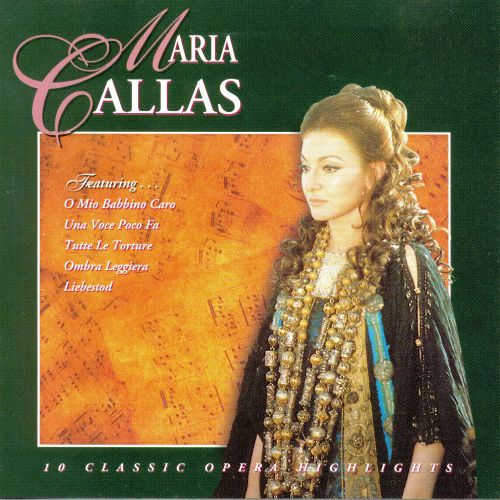
 View Artist