Song Meaning
This track plunges into an intense, almost consuming presence, repeatedly declared as "Tua, tua / Tua e só tua." The lyrics paint a picture of this "you" existing within a voracious, fierce, and fleeting night, a space that feels both vast and empty. It's a declaration of singular focus, a feeling that this "you" permeates every aspect of the narrator's perception, even in the starkness of hotel nights or the abstract "vago, no vão, no não."
The central tension seems to be the narrator's desperate attempt to reach this overwhelming "you." The "night" acts as a barrier, a consuming force, yet the narrator pushes through, "Atravessa este verso / A vontade nua." The repeated question, "Será que você vai me ouvir?" underscores a profound yearning and uncertainty, a fear that this intense focus might be one-sided or unheard amidst the "multidão" and the "estrelas a se consumir."
The craft here is in the relentless repetition and the stark, contrasting imagery. The "noite voraz" and "noite feroz" are met with the "breu das noites brancas de hotel," a specific, almost sterile loneliness. The abstract "clarão, no vasto, no vago / No vão, no não" creates a sense of disorientation, yet the singular "Tua" cuts through it all. The final lines, "Na areia, na neve marinha / No motor do dia, tua," expand the presence of "you" from the night into the very fabric of existence, from the natural to the mechanical.
This lyrical construction is effective because it mirrors the obsessive quality of the feeling it describes. The insistent "Tua" becomes a mantra, a fixation that the listener can feel resonating. The juxtaposition of grand, consuming darkness with the intimate, singular focus on "you" creates a powerful emotional landscape, one that feels both isolating and intensely connected, leaving the listener to ponder the nature of this all-encompassing presence and the narrator's plea to be heard.
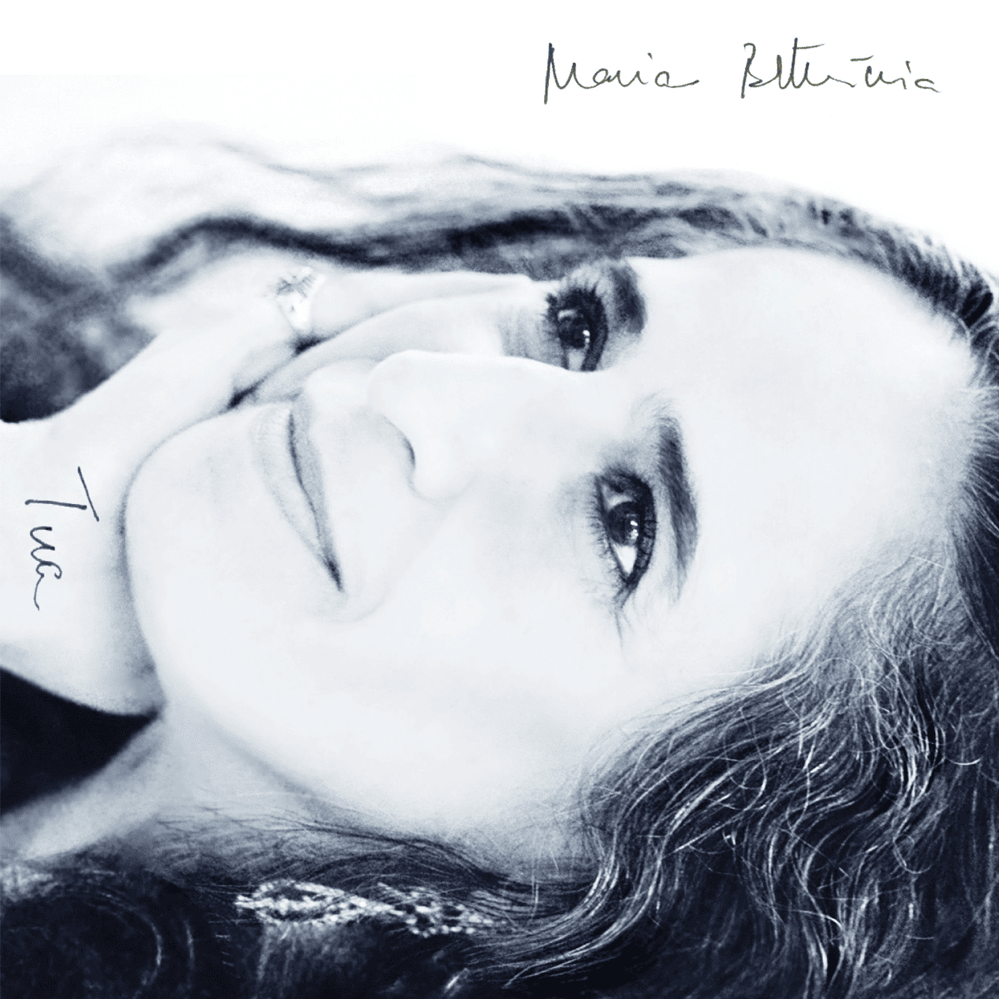
 View Artist