Song Meaning
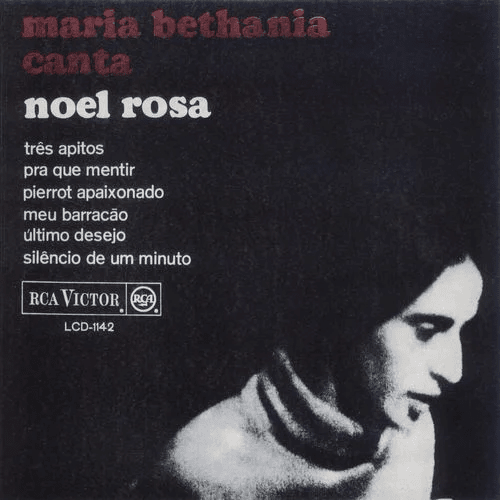
The narrator is in mourning, not for a death, but for a love that has ended, declaring "o meu samba está de luto." This isn't a typical lament; it's a specific, ritualistic pause, "o silêncio de um minuto," to honor a past relationship that was once glorious. The immediate feeling is one of profound loss, tinged with the bitterness of betrayal.
The central conflict arises from the contrast between a past "amor cheio de glória" and its current demise, attributed directly to the partner's "ingratidão." The lyrics paint a stark picture of how this love was buried, first by the partner's deceitful actions, "a pá do fingimento," and then by their deliberate erasure, "a cal do esquecimento." This deliberate burying of the relationship by the other person is what forces the narrator's confession of grief.
The most striking craft element is the extended metaphor of a funeral for a love. The narrator's "violão vai soluçar," personifying their instrument as weeping. The distinction between "luto preto é vaidade" and "o meu luto é saudade" is crucial. Black mourning attire is presented as superficial vanity, whereas the narrator's grief is a deeper, more existential longing, "saudade," which "não tem cor" – it's an emotion beyond simple categorization or outward display.
This song hits hard because it transforms a personal heartbreak into a public, albeit brief, ceremony. The narrator isn't just sad; they are actively performing their grief, demanding a moment of silence for a love that was once magnificent but was ultimately destroyed by the partner's actions. The final declaration that saudade has no color suggests a grief so profound it transcends simple expression, leaving the listener with a sense of enduring, unclassifiable pain.
 View Artist