Song Meaning
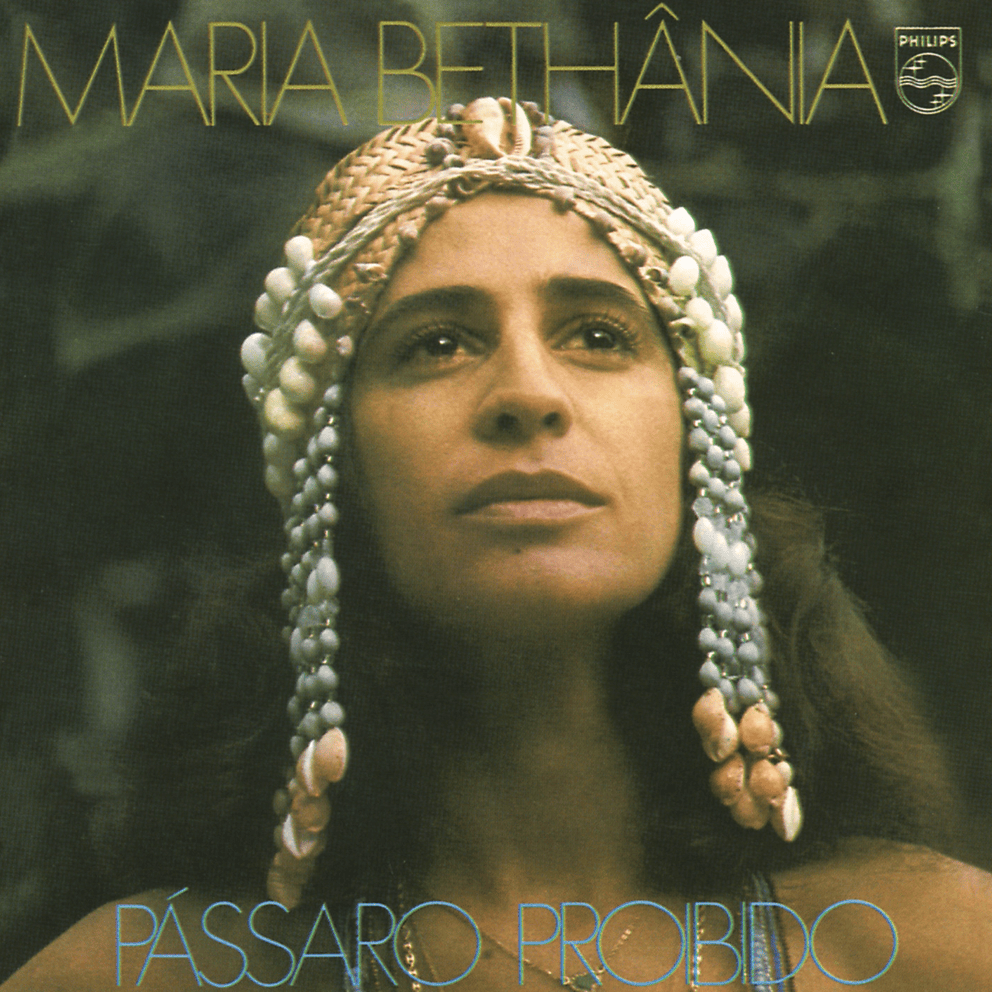
The lyrics paint a vivid picture of a "forbidden bird," a creature of striking beauty and inherent danger, existing under constant scrutiny. This bird, with its "clear, bright plumage," is exposed to all elements, from the sun and moon to storms and tides, suggesting a life lived in full view and under natural forces. The repeated phrase "Ao corisco e à maré" emphasizes this constant exposure and the unpredictable environment it inhabits.
The central tension arises from the bird's dual nature: it is "forbidden to dream" yet possesses the "power to fly." This internal conflict highlights a struggle against imposed limitations. Despite being "forbidden," the bird seems to defy its restrictions, exhibiting "soft song" and "wet eyes" without fear of "damned error." The lyrics suggest a yearning for freedom and self-expression that transcends external prohibitions.
The most compelling aspect is the recurring refrain, "Eu canto o sonho na cama / Do jeito doce e moreno / Eu canto." This intimate, personal act of singing about dreams, described in a "sweet and dark" manner, contrasts sharply with the public, potentially perilous existence of the "forbidden bird." It implies that the true expression of self, the "dream," is nurtured in private, away from the watchful eyes and potential dangers of the outside world.
Ultimately, these lyrics resonate because they capture the universal human experience of navigating societal constraints while holding onto an inner world of dreams and the inherent desire to express oneself freely. The "forbidden bird" becomes a powerful metaphor for anyone who feels restricted yet possesses an unyielding spirit and the capacity for flight, for singing their truth, even if only in the quiet of their own "bed."
 View Artist