Song Meaning
The narrator has reached a breaking point, tired of hiding intense emotions. The lyrics open with a decisive "Chega de tentar dissimular" (Enough trying to dissimulate), signaling a shift from suppression to expression. This initial stanza focuses on the futility of concealment, noting how a "brilho desse olhar" (shine of this gaze) betrayed unspoken feelings, leaving the narrator wounded by what was withheld. It’s a clear declaration that the dam of pretense has burst.
The core tension lies between the desire for authentic living and the pain that often accompanies it. The narrator lists a cycle of emotional experiences – "chorar, sofrer / Sorrir, se dar, e se perder, e se achar" (cry, suffer / Smile, give oneself, and get lost, and find oneself) – before rejecting this passive endurance of life's ups and downs. The longing is for a more radical form of engagement, to "me abrir" (open myself up) completely, even if it means confronting difficult feelings.
This raw vulnerability is powerfully depicted through the metaphor of a sunrise. The narrator wants life to enter "Como se fosse o sol / Desvirginando a madrugada" (As if it were the sun / Deflowering the dawn), a vivid image of forceful, new beginnings. This is followed by a desire to feel "a dor dessa manhã / Nascendo, rompendo, rasgando" (the pain of this morning / Being born, breaking, tearing), emphasizing that true feeling, even if painful, is preferable to numbness. The climax arrives with an explosion of sensation: "Chorando, sofrendo, gostando, adorando, gritando" (Crying, suffering, liking, adoring, screaming), a torrent of emotions that can no longer be contained, culminating in the titular "Não dá mais pra segurar / Explode coração" (Can't hold it anymore / Explode heart).
The effectiveness of these lyrics stems from their visceral portrayal of emotional release. The narrator moves from the quiet desperation of hiding feelings to a cathartic, almost violent eruption of self. The specific, active verbs used to describe the dawn and the narrator's subsequent emotional state – "rompendo, rasgando, gritando" – create a sense of overwhelming, unstoppable force. It’s this transition from internal struggle to external, uninhibited expression that makes the plea to "Explode coração" so resonant.
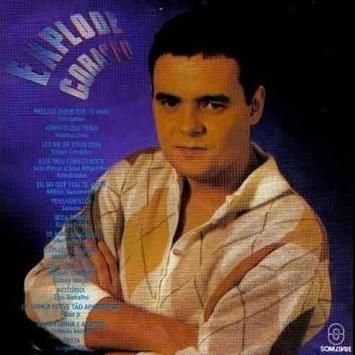
 View Artist