Song Meaning
The lyrics paint a stark picture of a Brazilian identity steeped in a complex mix of confession, despair, and deep-seated melancholy. The narrator repeatedly states, "Eu brasileiro confesso," linking this confession to "minha culpa, meu pecado," "meu sonho desesperado," and "meu bem guardado segredo." This isn't just a personal admission; it feels like an inherited burden, a national psyche grappling with its own realities. The repetition of "Minha aflição" and "Negra solidão" underscores a pervasive sense of personal and collective suffering.
The core tension resides in the narrator's perception of their homeland as "o fim do mundo." This phrase is hammered home with relentless repetition, establishing a bleak, almost apocalyptic setting. Yet, within this desolation, there's a strange duality. The lyrics describe a place where the "terceiro mundo / Pede a benção e vai dormir / Entre cascas das palmeiras," juxtaposing poverty and resignation with the natural beauty of "Araçás e bananeiras." This creates a profound sense of paradox: a world that feels like the end, yet continues to exist, marked by "meu pânico e glória" and "meu laço e cadeia."
The most striking craft element is the ironic contrast between the idyllic imagery of Brazil and the harsh realities it faces. The narrator acknowledges "Minha terra tem palmeiras," a classic trope, but immediately twists it with "onde / Sopra o vento forte / Da fome, do medo e muito / Principalmente da morte." This subversion of a national symbol highlights the disconnect between romanticized notions and lived experience. The line "Oh,sim, nós temos banana / Até pra dar e vender" lands with heavy sarcasm, pointing to abundance in one area while famine and fear rage, underscored by the distant "bomba explode lá fora."
These lyrics hit hard because they articulate a specific, yet resonant, feeling of being trapped by circumstance and history. The relentless repetition of "o fim do mundo" creates an overwhelming atmosphere, while the specific, often contradictory, details ground the emotion in a tangible, if bleak, reality. It’s the raw honesty of confessing personal and national pain, refusing to sugarcoat a difficult existence, that makes the message so potent and unforgettable.
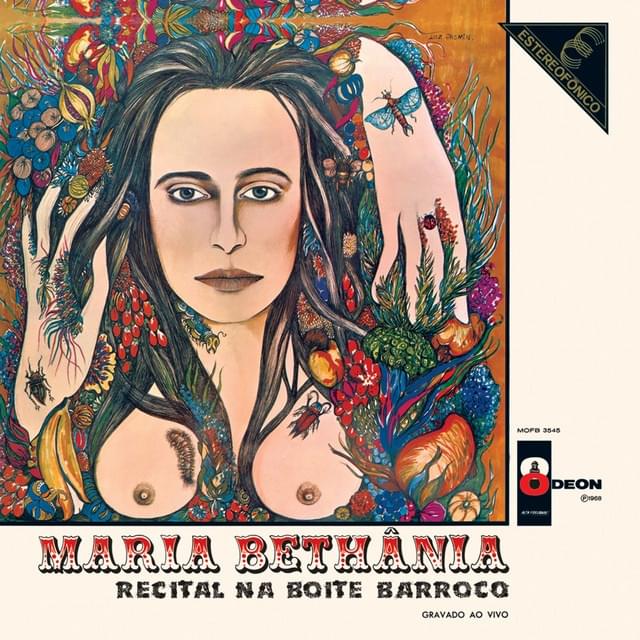
 View Artist