Song Meaning
The narrator initially believed they could shed old habits and forget past experiences, convincing themselves that everyday life wouldn't leave lasting impressions. This self-deception crumbles as the absence of simple, shared moments – a good morning, casual talk, a kiss before coffee, the shared ritual of a cigarette and newspaper – becomes acutely felt. These aren't grand gestures, but the quiet, ingrained routines that defined a shared existence.
The core tension lies in the stark contrast between the narrator's attempted detachment and the undeniable pull of these ingrained 'costumes' or habits. The lyrics reveal a profound realization: these seemingly minor, everyday acts were the very fabric of connection, and their absence creates a void. The freedom that follows this separation is not liberating but terrifying, highlighting how deeply intertwined the narrator's identity was with the 'you' they are now without.
The most striking craft element is the recurring motif of 'costumes' (habits/routines) and the narrator's struggle to forget them, directly linked to the inability to forget 'you.' The lyrics meticulously list these simple shared acts – 'bom dia na cama,' 'conversa informal,' 'o beijo, depois o café' – grounding the abstract idea of loss in tangible, everyday imagery. This detailed cataloging makes the subsequent feeling of loneliness and the unsettling nature of newfound freedom incredibly potent.
This piece hits hard because it articulates a universal truth about relationships: it's often not the dramatic moments, but the accumulation of small, shared rituals that form our deepest bonds. The narrator's journey from denial to a terrifying freedom underscores how our identities can become so enmeshed with another person that shedding those shared 'costumes' feels like losing a part of oneself. The final lines, 'Como posso esquecer dos costumes / Se nem mesmo esqueci / De você,' perfectly encapsulate this inextricable link, making the supposed freedom feel like a profound, isolating loss.
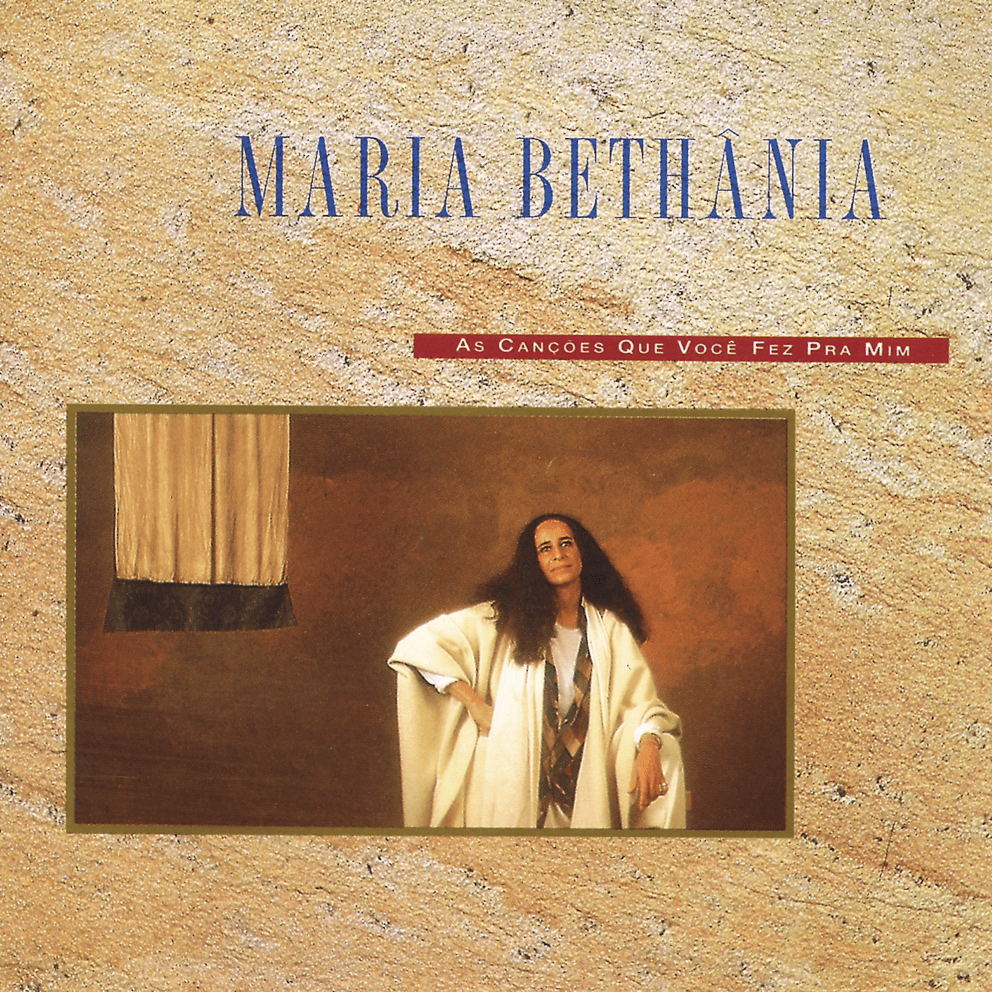
 View Artist