Song Meaning
The lyrics paint a vivid picture of a narrator caught between past happiness and present turmoil. They revisit old photographs, seeing a "happy" couple and a "beautiful" self in a bygone era. Yet, this reflection is punctuated by frantic, one-sided phone calls. The emotional landscape is one of intense, unresolved longing and bittersweet memory.
A profound internal conflict drives these lines: the narrator desperately wants to move on, yet remains tethered to a past love. This tension is starkly revealed in the repeated calls, leaving "confessions" and "confusions" on an answering machine, a desperate attempt to communicate with someone who isn't there to respond. The lines "Te amo? Não lembro" ("Do I love you? I don't remember") directly clash with the later "Ainda te quero" ("I still want you"), highlighting this deep emotional struggle.
The most striking craft element is the direct, almost painful contradiction embedded in the chorus-like lines. The raw admission of "I want you, I want you" is immediately undercut by the desperate plea to "say I don't want your kisses never again." This isn't just a simple change of heart; it's the simultaneous presence of desire and the fierce will to extinguish it, a brilliant portrayal of a heart at war with itself. The repetition of "Teus beijos nunca mais" underscores this desperate, almost incantatory attempt to sever ties.
These lyrics are effective because they capture the messy, non-linear process of heartbreak and nostalgia. The "anos dourados" ("golden years") are remembered with bittersweet clarity, even as the present is filled with "wet insane Decembers." The self-aware reference to "bolero" and the admission that "our verses are banal" adds a layer of poignant irony, acknowledging the dramatic, almost cliché nature of their own suffering while still being consumed by it.
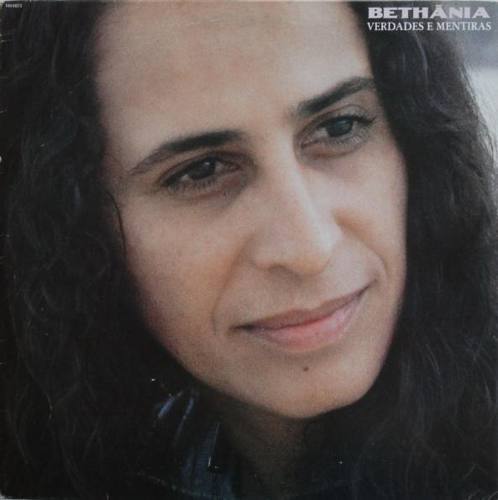
 View Artist