Song Meaning
The narrator declares a profound connection to the natural world, identifying as a "friend of the winds" and "lover of the seas." This elemental kinship extends to a sense of belonging, being "welcome in places / wherever I go." The imagery paints a picture of someone deeply attuned to the earth's forces, embodying its strength and reflecting celestial light like the "moonlight" and the "flame on the altars / of love." It's a self-description rooted in natural phenomena rather than extraordinary abilities.
Despite this powerful connection, the narrator clarifies that their essence isn't derived from supernatural gifts or magical knowledge. They explicitly state, "It's not that something happens / special to me" and deny possessing "a thousand celestial powers" or "sorcerous knowledge." Instead, the source of their perceived significance is presented as something far more ordinary and accessible. The lyrics emphasize that this quality is "simpler," as common as "rain" and as inherent as a "grape / having flavor."
The core tension lies in the contrast between the grand, almost divine, descriptors of their connection to nature and the humble, everyday source of their value. The mystery isn't in possessing extraordinary powers, but in finding profound meaning in the mundane. The narrator seems to grapple with this paradox: how can one be "everything and none of this / having value"? It suggests an internal realization that true worth isn't tied to exceptionalism but to an intrinsic, natural existence.
This lyrical approach is effective because it reframes the idea of personal power. Instead of leaning on external validation or unique talents, the song grounds significance in a universal, natural state of being. The simple, almost understated language used to describe profound connections – like comparing their essence to "rain" or a "grape" – makes the narrator's sense of self feel both deeply personal and universally understandable. It's a quiet assertion of inherent worth, found not in what one *does* or *has*, but in simply *being*.
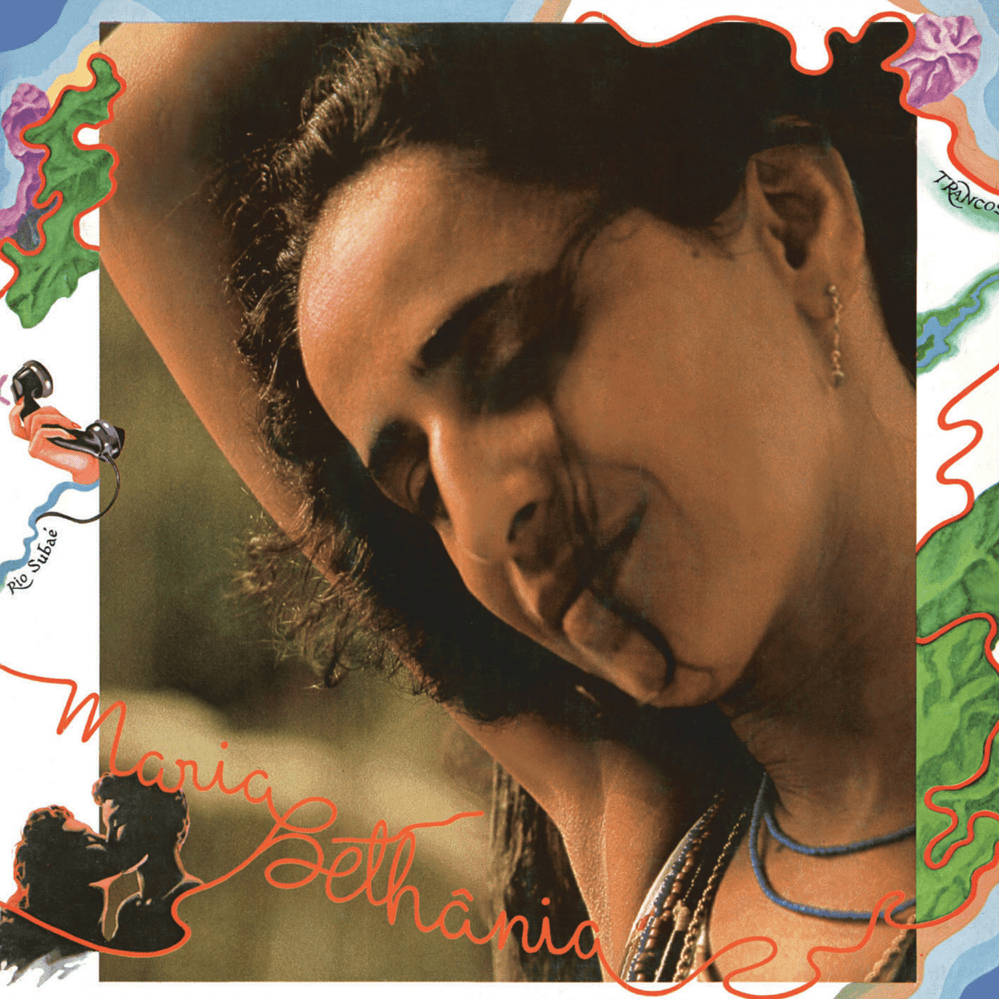
 View Artist