Song Meaning
This track opens with a disarmingly casual invitation to personal freedom, a call to simply "do what you like" and "leave anytime." It suggests a philosophy of self-determination, urging the listener to "live the best you know how." The initial tone is one of liberation, almost a gentle nudge towards autonomy, encouraging a life unburdened by external expectations or the need for constant approval. It’s a deceptively simple premise, setting the stage for a much darker emotional landscape.
The core tension emerges as this ideal of personal freedom clashes with the harsh realities of relationships and their consequences. The lyrics reveal how love, meant to be sufficient, instead breeds sorrow, and how personal choices lead to regret, described as "choking on the fumes of my wayward ride." This isn't just about personal liberty; it's about the painful fallout when that liberty intersects with betrayal and loss, turning joy into a source of pain.
The narrative takes a sharp, almost surreal turn with the introduction of a "witch in disguise" and a husband depicted as a "wolf in a sheepskin coat." These stark, archetypal images paint a picture of profound deception within familial bonds. The contrast between the initial plea for personal freedom and the subsequent depiction of a family torn apart by lies and despair is jarring, highlighting the destructive potential lurking beneath the surface of seemingly simple lives.
The closing lines offer a moment of poignant, albeit ambiguous, reconciliation. The narrator recalls a kiss that felt pure, and comforting a crying lover. The final image of a woman, perhaps the one who lied, whispering the very same mantra of living as best one knows how, creates a complex emotional resonance. It suggests that even amidst betrayal and sorrow, there's a persistent, perhaps desperate, human impulse to find a way forward, however flawed.
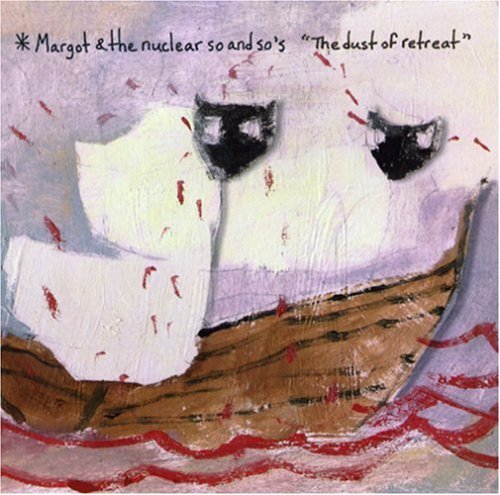
 View Artist