Song Meaning
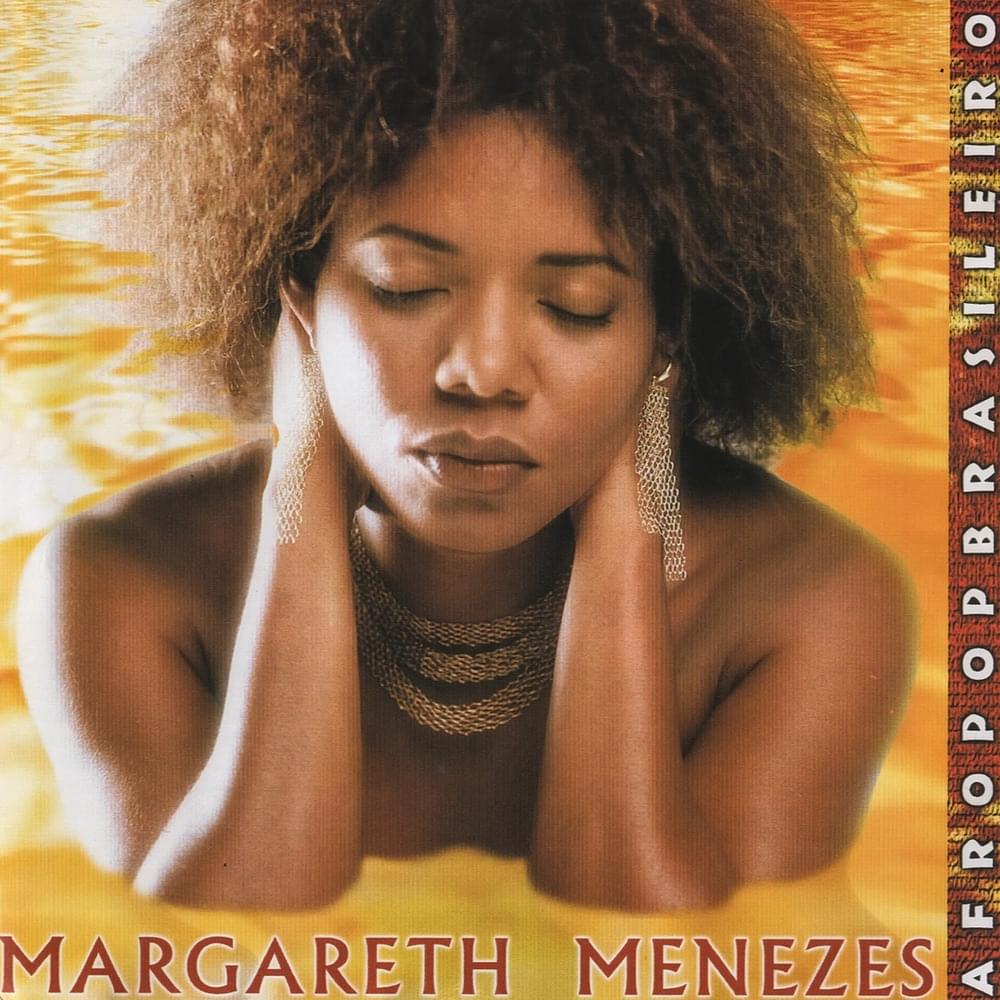
Margareth Menezes's "Moderninha" is a playful, almost meta-commentary on language itself, specifically the Portuguese language and its capacity for both profound expression and frustrating complexity. The opening lines, "Moderninha, hem! / Só falta falar / Só falta aprender a falar palavra não / Palavra sim," immediately establish a sense of ironic observation. It's as if the song is addressing something or someone (perhaps a trend, a person, or even the language itself) that is almost complete, almost able to fully articulate itself, but not quite there yet. This incompleteness, this "falta," is central to the song's meaning. It suggests a yearning for clarity and directness within a system that can often feel convoluted. The repetition of "Só falta aprender a falar" emphasizes this desire for a more straightforward mode of communication. The lyrics then dive into an appreciation of poetry, and the Portuguese language, its verbs, adjectives, and grammatical nuances.
The song cleverly contrasts the potential for "sentimentos finos elevados ao céu" with the mundane details of grammar—"Tils / Virgulas / Travessões / Dois pontos / Etc e tal." This juxtaposition highlights the inherent tension between the sublime and the technical aspects of language. It's a reminder that even the most beautiful and moving expressions are built upon a foundation of rules and conventions. The repeated question, "E quem foi que fez / O português criar?" adds another layer of intrigue. It's not just an inquiry into the origins of the language, but also a pondering of the forces that shape and influence our ability to communicate. Is it history? Culture? Or something more mysterious?
The interjection of "o anti-inflamatório / É com dois is / Vice versa" feels deliberately absurd, further emphasizing the quirks and arbitrary rules of language. The references to "iaiá" and "ioiô" (terms of endearment, but also suggestive of back-and-forth movement) and the acknowledgment of indigenous and African influences ("Tem influência índio nagô") hint at the diverse and complex roots of Brazilian Portuguese. Ultimately, "Moderninha" is not just a celebration of the Portuguese language, but also a gentle critique of its inherent limitations and a call for more authentic and meaningful communication. It acknowledges the beauty and potential of language while simultaneously recognizing the challenges of truly connecting with others through it.
 View Artist