Song Meaning
Margareth Menezes' "Mamãe Querida" operates on a plane of pure, devotional simplicity. It’s a sonic portrait painted with the primary colors of love, peace, and life itself, all radiating from the central figure of 'Mamãe.' The repetition isn't just a structural element; it's a mantra, a rhythmic affirmation of the maternal ideal. The song bypasses complex narratives, choosing instead to dwell in the unwavering, foundational bond between mother and child. The lyrics analysis reveals a celebration not just of a personal mother, but of motherhood as an archetype.
The power of "Mamãe Querida" lies in its universality. Menezes transcends the specific, moving towards an inclusive vision. When she sings of 'Mamãe Brasileira, Africana, Mamãe universal,' she collapses geographical and cultural boundaries. The song becomes an anthem for every mother, everywhere. It acknowledges the diverse experiences and identities embodied within motherhood. This broadening of scope doesn't dilute the feeling; instead, it amplifies it, allowing listeners from all walks of life to connect with the raw emotional core.
Ultimately, the song's meaning rests on the assertion that 'no mundo não existe amor igual' – there is no love in the world like that of a mother. It’s a bold statement, delivered with a conviction that resonates deeply. "Mamãe Querida" avoids sentimentality by grounding itself in the fundamental, unwavering presence of a mother throughout the child's day ('Mamãe na hora de sair / Mamãe na hora de chegar'). It's a tribute, yes, but also a quiet acknowledgment of the constant, often unseen labor of maternal love. In its simplicity, it achieves a profound emotional resonance.
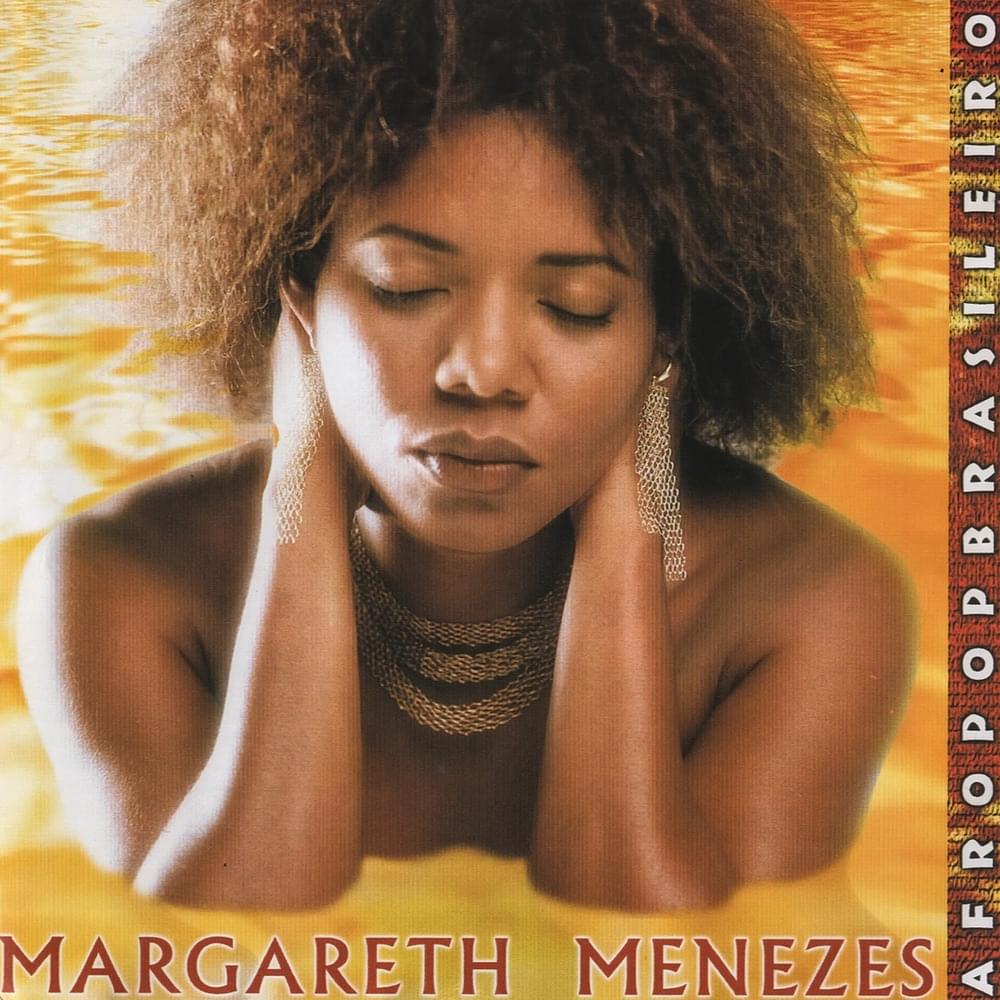
 View Artist