Song Meaning
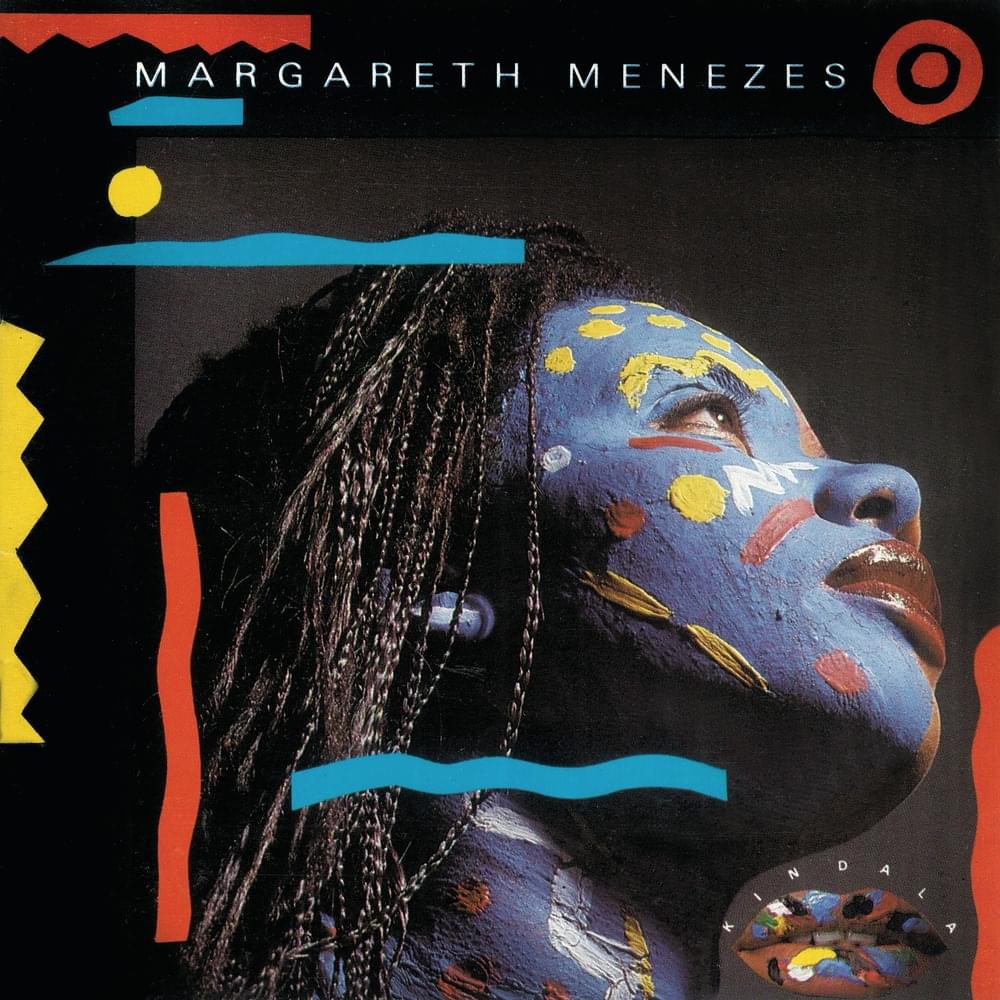
Margareth Menezes's "Kindala" isn't just a song; it's a concentrated dose of Afro-Brazilian soul, a vibrant expression of resilience and the life-affirming power of *axé*. The very first line, "Luz africana que ilumina o meu cantar" (African light that illuminates my singing), sets the stage. It's an invocation, a calling upon ancestral strength to guide her voice and, by extension, her life's journey. "Kindala" itself seems to function as both a personal mantra and a symbolic embodiment of this guiding light.
The song's central tension lies in acknowledging life's inherent fragility and unpredictability ("Se a vida é pouca / Então é tudo pra mim / Se a vida é louca / Não pode me ferir"). Menezes doesn't shy away from the potential for pain; instead, she frames it as a catalyst for deeper engagement with the present moment. There's a defiant joy in her voice, an insistence on embracing life fully, even (and perhaps especially) when it feels precarious. The imagery of sunlight captured in her eyes and moonlight woven into her skin further reinforces this idea of absorbing and radiating positive energy, transforming hardship into something beautiful and enduring.
Ultimately, "Kindala" is a celebration of *axé*—the vital life force present in all things, particularly emphasized in Afro-Brazilian religions. The lyrics suggest that this *axé* isn't passively received but actively cultivated: "Por que na estrada da vida só tem axé quem carrega" (Because on the road of life, only those who carry *axé* have it). It's about finding strength within oneself, embracing both joy and sorrow, and maintaining faith in the future, even when the path ahead is uncertain. Menezes urges listeners to delve deep within themselves, to seize the present moment ("Aqui agora"), and to carry their own light forward.
 View Artist