Song Meaning
Margareth Menezes' "Ilê Que Fala De Amor" isn't just a song; it's an invitation—a vibrant beckoning to Salvador, Brazil, a city pulsing with Afro-Brazilian heritage. The lyrics serve as a sonic gateway, urging listeners to shed their burdens ("Erga os braços, fique leve / Deixe a mente flutuar") and immerse themselves in the experience. It’s an instruction manual for spiritual tourism, if such a thing exists, prioritizing emotional elevation above all else. The repeated phrase "Vem pra Salvador / Vem ver o que é que há" acts as both geographic and psychic relocation. The song’s title translates to "Ilê That Speaks of Love," immediately grounding it in themes of affection and connection. But this isn't just any love; it's a love deeply intertwined with heritage and place.
The repeated mention of "África do Sul" within the lyrics is more than a simple geographic reference. It speaks to the diasporic connections between Brazil and Africa, highlighting shared histories of struggle, resilience, and cultural preservation. The repeated line "Esse é o que fala de amor / Que fala de África do Sul" acts as a bridge, symbolically linking the two continents through the universal language of love and cultural pride. The reference to Curuzú, a neighborhood in Salvador known for its strong Afro-Brazilian identity, further roots the song in a specific cultural context. It emphasizes the importance of community and the preservation of traditions in the face of cultural erasure. The lyrics create a sense of belonging, of finding oneself within a larger narrative of cultural identity.
Ultimately, the song functions as an anthem of cultural affirmation and belonging. The repeated invocation of "Ilê Ayê," a prominent Afro-Brazilian bloco (carnival group), solidifies this theme. When Menezes sings, "Ilê Ayê / É meu e seu / É seu e meu," it underscores the collective nature of this cultural identity. It's not just about individual expression; it's about shared heritage and the power of community. The song's simplicity is its strength. By using direct, declarative language, Menezes creates an accessible and inclusive message, inviting everyone to participate in the celebration of Afro-Brazilian culture. It is, at its core, a song about finding love and belonging through cultural immersion and shared identity.
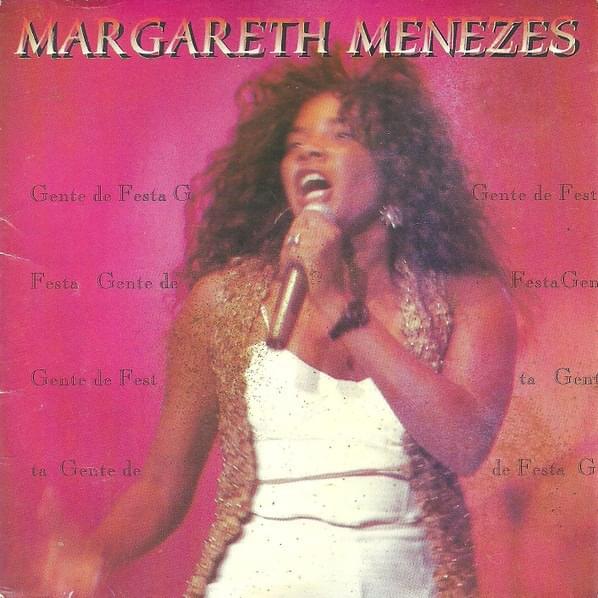
 View Artist