Song Meaning
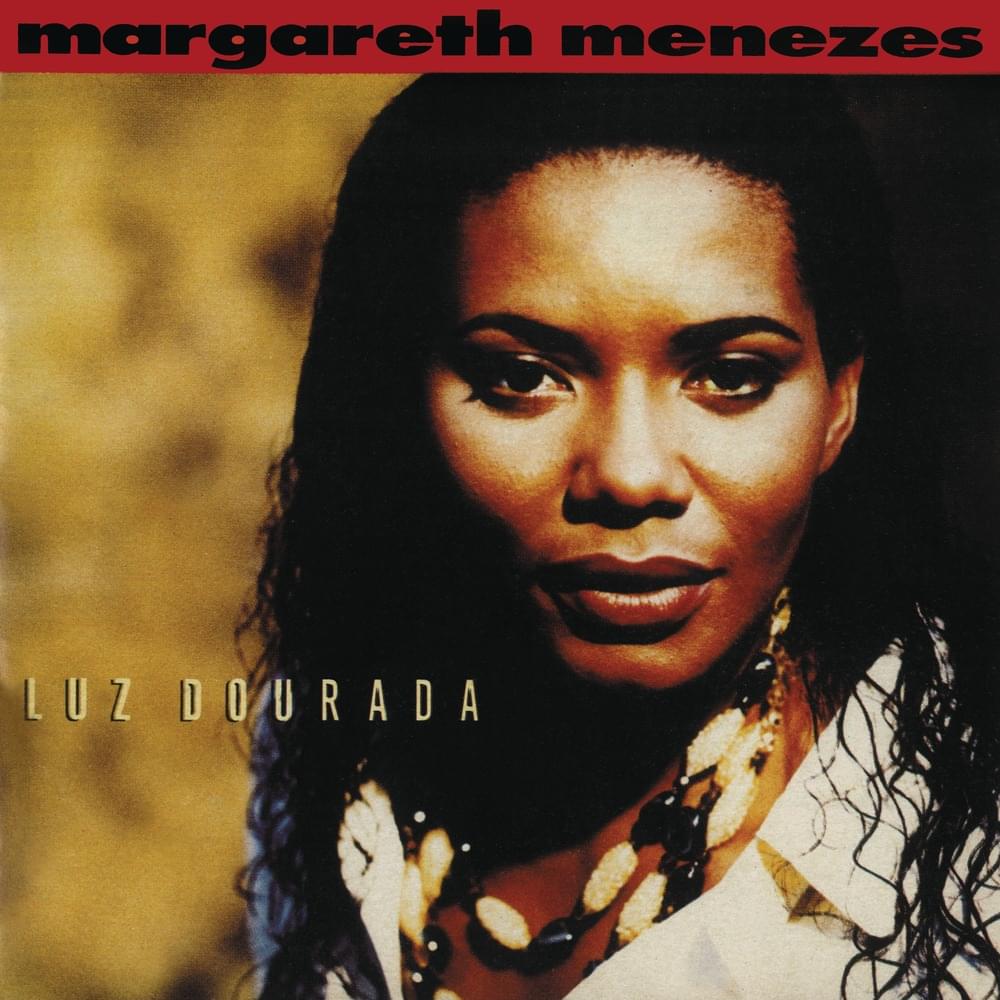
Margareth Menezes' "Desabalada" plunges headfirst into the bittersweet ache of lost love, a sentiment as universal as the Brazilian rhythms that carry it. The opening lines, with their imagery of firelight and silver seas, quickly give way to the sting of saudade, that uniquely Portuguese-Brazilian blend of longing and melancholic nostalgia. Menezes doesn't shy away from the rawness of heartbreak; she embraces it as a crucible for artistic expression. The lyrics hint at a lover's departure, fueled by fear and perhaps a perceived imbalance between grounded reality and the singer's 'drunken dreamer' persona. It's a classic tale of mismatched expectations and the vulnerability inherent in opening oneself to love.
But "Desabalada" is more than just a lament. It acknowledges the intoxicating allure of solitude and the numbing effect of 'cachaça,' the sugarcane spirit that becomes both solace and poison. There's a quiet dignity in recognizing the pain, transforming it into song, and finding beauty even within the sorrow. The recurring theme of lost love is a potent force, driving the narrator to confront his vulnerability and find strength in his artistic expression. The singer transforms that private agony into universal art.
The final verses carry a hint of playful defiance. The narrator rails against Cupid, the mischievous god of love, threatening to end his lineage. This isn't a literal call to arms, but rather a symbolic gesture of reclaiming agency in the face of heartbreak. It’s a recognition that while love can wound, it doesn't have the final word. The song’s meaning resides in the paradox of pain and beauty, the intoxicating embrace of saudade, and the enduring power of art to transform personal loss into something universally resonant. Menezes uses the specific narrative to tap into the broader human experience of navigating love's treacherous currents.
 View Artist