Song Meaning
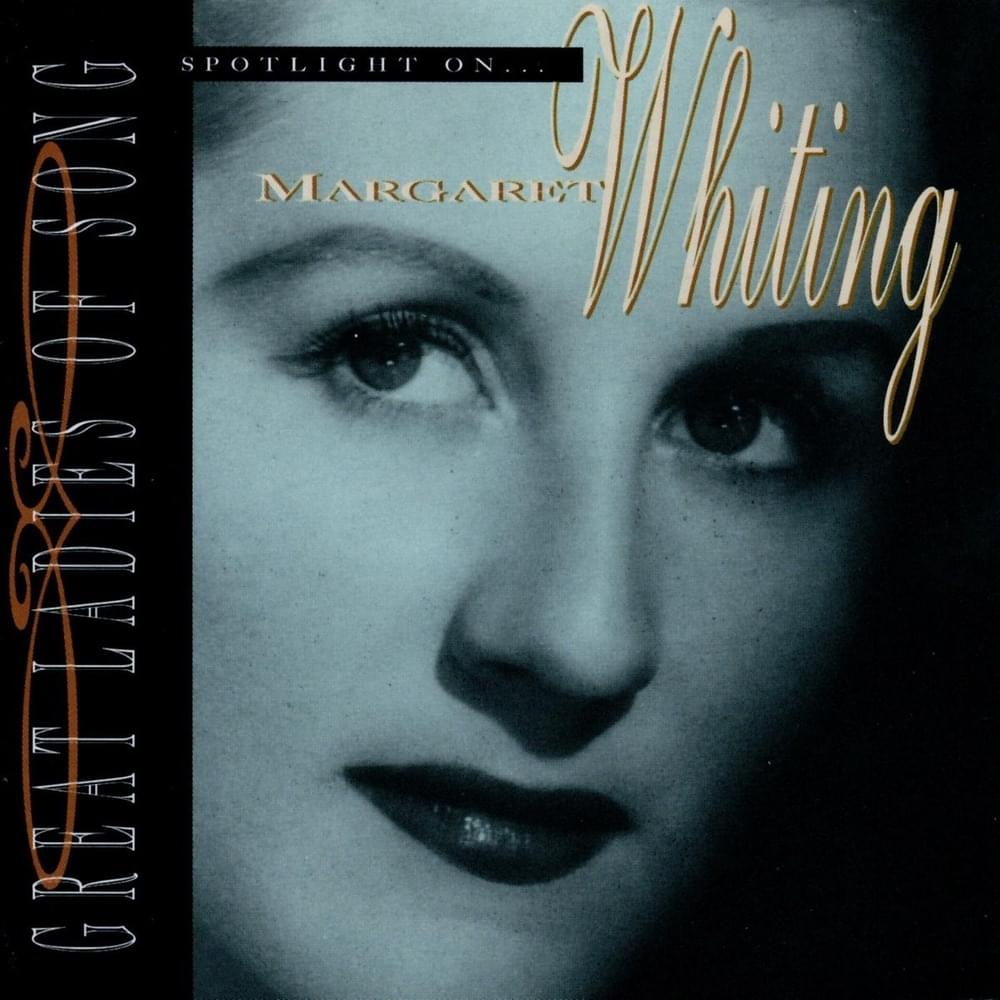
Margaret Whiting's "My Foolish Heart" isn't just a romantic ballad; it's a masterclass in the psychology of desire, draped in the elegance of mid-century American songcraft. The song meaning hinges on the internal conflict between reason and emotion, a battle waged in the vulnerable space where infatuation teeters on the edge of genuine love. Whiting's narrator isn't simply swept away; she's acutely aware of the danger, repeatedly cautioning her own "foolish heart" against the intoxicating pull of the moment. The moonlit night, the proximity of lips – these are classic triggers, yet the singer approaches them with a self-awareness that's both alluring and heartbreaking.
The brilliance of the lyrics lies in their acknowledgment of the thin line separating fleeting "fascination" from something deeper. It's a nuanced understanding of how easily we can mistake the rush of initial attraction for lasting connection. The repeated warning, "Beware my foolish heart," functions as a desperate attempt to maintain control, to discern whether this feeling is merely a dream destined to "fade and fall apart," or something genuinely transformative. This isn't blind optimism; it's a cautious, almost fearful, yearning for authentic love.
Ultimately, "My Foolish Heart" resolves in a tentative embrace of vulnerability. The narrator acknowledges the risk, the potential for heartbreak, but chooses to surrender to the possibility of something real. The shift from warning to acceptance – "Then let the fire start" – marks a pivotal moment of self-trust. It's a recognition that sometimes, the only way to discover true love is to silence the inner critic and allow the "foolish heart" to lead the way, even if it means risking everything. Whiting’s delivery, simultaneously delicate and resolute, perfectly captures this precarious balance between fear and hope, making the song a timeless exploration of the human heart's capacity for both profound joy and devastating pain.
 View Artist