Song Meaning
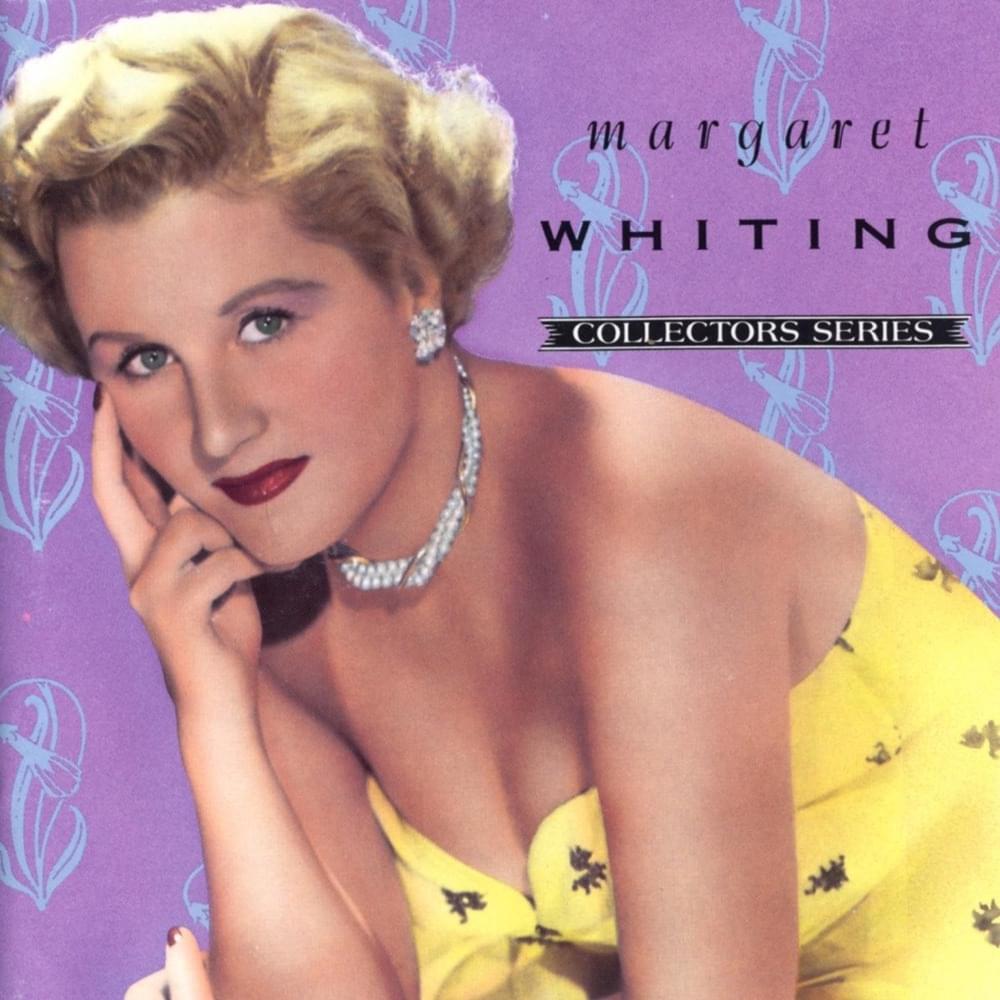
Margaret Whiting's "Forever and Ever" isn't just a love song; it's a distilled shot of unwavering devotion, a sonic testament to the enduring power of commitment. The lyrics, while simple, radiate an almost desperate need for reassurance and permanence. The repeated mantra of "forever" isn't merely romantic; it suggests a deep-seated fear of abandonment, a primal urge to solidify a bond against the relentless tide of time and uncertainty. The opening lines establish a pact, a heartfelt promise of fidelity, immediately drawing the listener into a world where love is the ultimate anchor.
The psychological undercurrent here is fascinating. The phrase "Let bygones be bygones forever" hints at past transgressions, unspoken hurts that threaten to unravel the relationship. This isn't a naive declaration of eternal bliss; it's a conscious choice to forgive, to rebuild on shaky foundations. The "new love divine" suggests a rebirth, a conscious decision to elevate the relationship beyond mere infatuation. It's a mature understanding that love requires work, a willingness to actively choose each other, day after day.
Ultimately, "Forever and Ever" resonates because it acknowledges the fragility of love while simultaneously asserting its strength. It's a song about the human need for connection, the yearning to find solace and security in another person. Whiting's delivery, I imagine, would have been infused with both vulnerability and resolve, capturing the bittersweet essence of a love that has weathered storms and emerged stronger, forever bound by a promise and a kiss.
 View Artist