Song Meaning
The narrator is pleading with a partner who is considering leaving, urging them to reconsider. The repeated phrase "Turn it over in your mind" acts as a direct command, a desperate plea to pause and reflect before making a final decision. The opening verses establish a sense of urgency, framing the request as a critical moment before the partner "move down the line." It's a direct appeal to memory and shared history, a call to remember a time when their love felt vibrant and secure.
The core tension lies in the contrast between past happiness and present doubt. The narrator invokes idyllic memories of youth and romance, directly asking the partner to "Remember when we were young and free?" This is juxtaposed with the current threat posed by a new romantic interest, described as "this gal who's turned your head." The narrator’s assertion that "true love never dies" directly challenges the partner's potential belief that their relationship is over, highlighting the narrator's unwavering faith against the partner's wavering commitment.
The lyrics masterfully employ repetition and direct address to create an intimate, almost conversational tone. The repeated use of terms of endearment like "Hon," "Honey," and "Darlin'" softens the plea, making it feel personal and heartfelt rather than accusatory. The imagery of "sands of time" in the final verse adds a layer of gravitas, suggesting that the decision has long-term consequences and that the partner should consider the enduring nature of their shared past.
This song resonates because it captures a universal human experience: the fear of loss and the desperate attempt to hold onto a fading connection. The narrator’s strategy isn't one of anger or ultimatums, but a quiet, persistent appeal to reason and sentiment. By grounding the argument in shared memories and the abstract concept of enduring love, the lyrics create a powerful emotional pull, urging the listener to empathize with the narrator's vulnerability and the weight of the decision at hand.
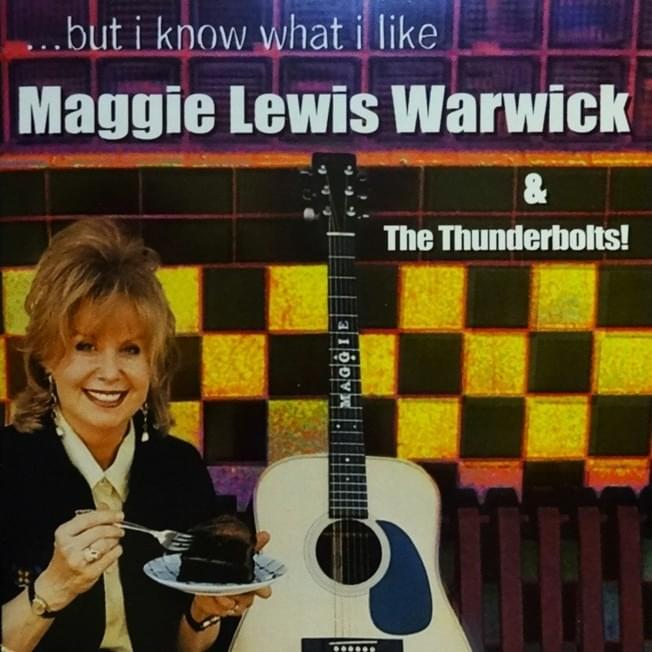
 View Artist