Song Meaning
The lyrics paint a picture of overwhelming daily frustration and a desperate desire for escape. The narrator feels trapped in a cycle of negativity, where every interaction seems to devolve into complaining and competitive misery. This constant barrage of 'badmouthing' and 'unhappiness boasts' creates a 'stress pool' that threatens to drown them, leading to a feeling of mental unraveling. The initial scene is one of mundane, suffocating repetition.
The core tension arises from the narrator's complete inability to express their own dissatisfaction. They are told 'no, no, no' to everything they try, leaving them feeling distorted and powerless. When asked what they dislike, the answer is a blunt 'everything,' and when asked what they want to do, it's a resigned 'nothing.' This paralysis is the source of the immense 'frustration' that builds to a breaking point, leading to physical and mental exhaustion.
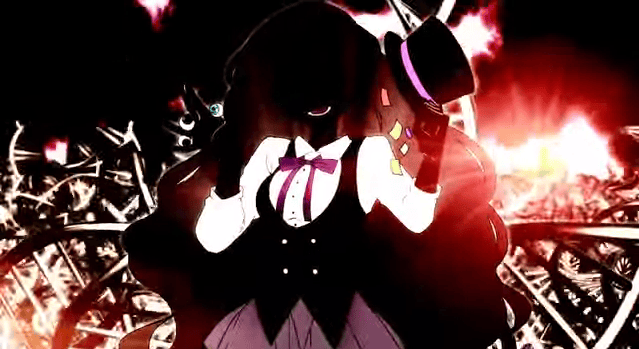
The lyrics use the recurring motif of a 'showtime' performance as a metaphor for this internal struggle and the desired release. Initially, it's an illusion show that captivates the narrator, offering a fantasy of escape through impossible feats like 'body cutting, vanishing, changing.' This evolves into a desire to 'throw away consciousness' and make 'hateful people' disappear, leading to a chaotic, almost ecstatic state that is immediately undercut by the realization that it's 'paradise, no, hell.' The violent imagery of 'swinging a sword' and 'chopping off heads' is presented as a temporary, illusory act, as 'tomorrow, everyone will be back to normal.'
This cyclical, performative nature of the narrator's suffering is what makes the lyrics so potent. The 'showtime' offers a fleeting, violent catharsis, but the fundamental problem of being unable to voice their true feelings remains. The final lines reveal the true source of the 'oppression' and 'confusion': a lifetime of not being able to say 'I hate this.' The repeated phrase 'tomorrow, everyone will be back to normal, laugh and forgive' highlights the futility of the violent fantasies, underscoring the narrator's trapped existence within a system that demands conformity and silences dissent.