Song Meaning
The lyrics open with a curious request: "Let Zośka not ask me" for poems. The speaker suggests that when Zośka returns to their homeland, nature itself will provide the verses. Every flower will speak poems, and every star will sing a song. This sets an immediate tone of gentle wisdom and a deep reverence for the natural world.
This initial deflection quickly reveals a poignant emotional core. The speaker claims to have learned their own voice from the very stars and flowers they now praise, recalling a time when they, "like Zośka, a child," were part of that vibrant landscape. This shared past with Zośka and the homeland sharply contrasts with the speaker's present reality, far away and pursued by "unhappy fate." The homeland isn't just a place; it's the source of their identity and artistic inspiration.
The most striking craft element here is the profound personification of nature. The "blue stars" and "red flowers" aren't just pretty backdrops; they are "the best poets," capable of composing "whole poems." The speaker humbly positions themselves as a student of this natural artistry, admitting they "learned to speak" from the land. This elevates the homeland to a sacred, almost sentient entity, capable of nurturing both life and art.
The lyrics become deeply effective through this shift from a playful suggestion to a raw, desperate plea. The speaker, burdened by distance and misfortune, implores Zośka to bring back tangible fragments of home: "light from those stars" and "fragrance from those flowers." This isn't just nostalgia; it's a vital need for rejuvenation. The speaker yearns to "grow young again," seeing Zośka's return from the homeland as a heavenly intervention, a lifeline to a lost self and a revitalized spirit.
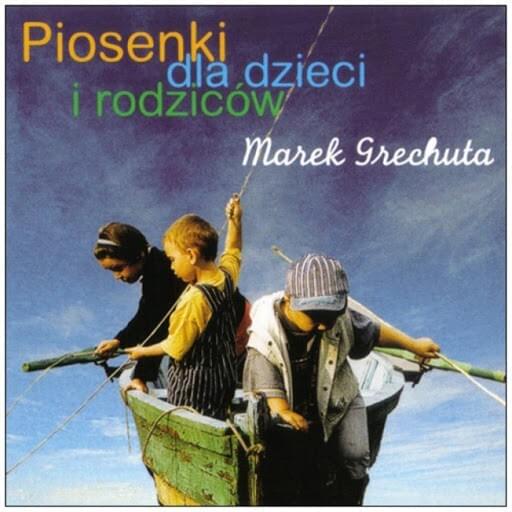
 View Artist