Song Meaning
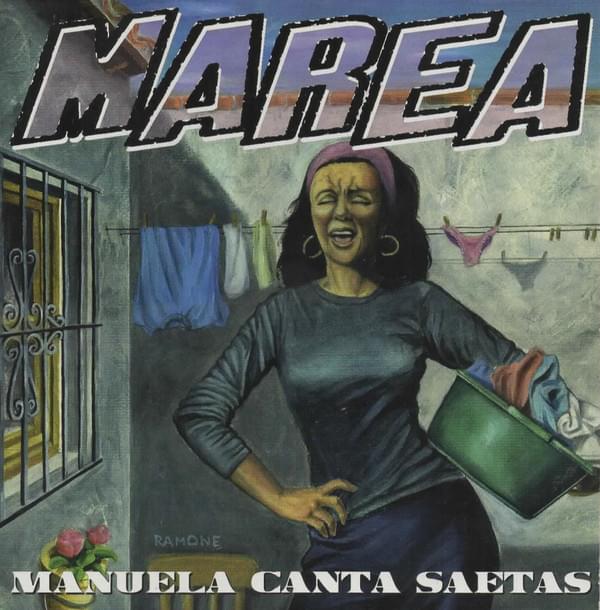
The song paints a vivid picture of Manuela, a woman whose morning routine is infused with a complex emotional undercurrent. Even as she joyfully sweeps her patio and hums a tune, the melody carries a profound sadness, a sense of ruin and a deep desire to weep. This immediate contrast between outward action and inner feeling sets a poignant tone for the narrative.
The core tension lies in Manuela's resilience juxtaposed with her unspoken sorrow. Her eyes hold a vibrant, untamed spirit, described as "girasoles" (sunflowers) that are indifferent to poetic pronouncements. Yet, when she sings "saetas" – a type of flamenco song often expressing deep emotion – her singing is described as "sin ton ni son," meaning without rhyme or reason, or perhaps without a clear melody, suggesting an outpouring of raw, uncontainable feeling. This implies her songs are less about structured expression and more about an involuntary release of her inner state.
The lyrics masterfully employ imagery to convey her life experience. Despite "years lost" in obscure places, her walk still "sparks." She recounts never having seen the sea, only hearing its sound in seashells that mimic singing "fandangos de soledad" (fandangos of solitude). This striking image highlights a life lived with limited horizons, where even the vastness of the ocean is experienced indirectly, filtered through objects that themselves carry a melancholic song, reinforcing her profound sense of isolation.
Ultimately, the effectiveness of these lyrics stems from their ability to capture a specific, deeply human experience of carrying sorrow beneath a surface of everyday activity. The "girasoles" in her eyes represent an enduring life force, but the "saetas" and the "fandangos de soledad" reveal the profound, almost inexpressible pain that accompanies it. It’s this delicate balance between outward vitality and inner desolation, rendered through evocative imagery, that makes Manuela’s story resonate.
 View Artist