Song Meaning
The lyrics paint a stark, brutal picture of forced occupation and ethnic cleansing. The opening lines immediately establish a tone of absolute, unyielding control, setting the stage for the violence that follows. The repeated phrase "Totalitarian command!" acts as a grim refrain, underscoring the oppressive nature of the regime being depicted. The imagery of "soil bleeds black ashes" and "Polish exodus" powerfully conveys the devastation and displacement inflicted upon the land and its people. It’s a scene of utter destruction, where the very earth seems to mourn.
The central tension lies in the violent imposition of a new order, a "replacement of blood stock" that signifies a systematic erasure of existing identity. The lyrics describe this with visceral, disturbing language: "Thrusting the sickle through flesh" and "blood-drenched fields of mud." This isn't just conquest; it's a brutal, physical violation. The "oppression's hand" is not abstract but actively "reaches forth," driving the narrative of subjugation and the "ending expression once more."
The most striking craft element is the juxtaposition of agricultural and military imagery, twisted to serve oppression. The "plow and sword" are presented as tools of "repression," and the "blood and soil" are "mixed as one," a chilling perversion of nationalist rhetoric. This fusion of the natural and the violent creates a deeply unsettling effect, suggesting that the land itself is being corrupted by the conquerors' actions. The idea of "seeds of blood" and "seeds of hate planted deep" further reinforces this, implying a deliberate, generational seeding of animosity and forced assimilation through "relentless Germanisation."
These lyrics are effective because they refuse to shy away from the horrific reality of totalitarian conquest. The relentless repetition of "Wartheland" grounds the abstract horror in a specific, violated place. The direct, unadorned language, combined with the graphic imagery of "dying in dirt" and the chilling finality of a "funeral wreath" as a "conquerors crown," leaves the listener with a profound sense of dread and the devastating impact of such brutal regimes. The writing forces a confrontation with the physical and emotional toll of systematic oppression.
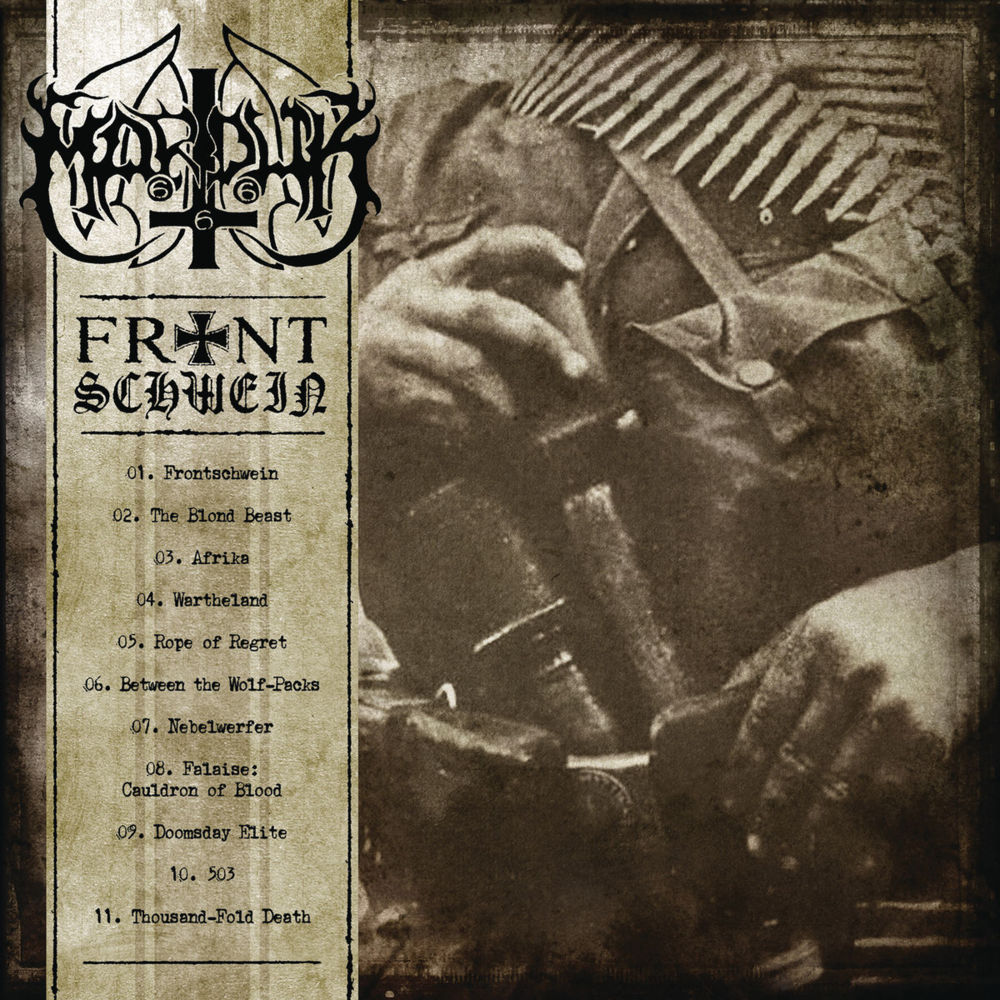
 View Artist