Song Meaning
The lyrics paint a stark, brutal picture of conflict and conquest, centered around the repeated, almost chant-like invocation of "Warschau." It's a scene of overwhelming force, where "crushing resistance" and "inflicting pain" are presented as deliberate actions. The dominant tone is one of grim, unyielding power, underscored by phrases like "reign of terror" and "draconian measures." The repeated mention of "blood" – "monuments in blood," "blood is the price of victory," "blood and dust" – establishes it as the central, grim currency of this depicted struggle.
The core tension lies in the juxtaposition of "fierce devotion" with "reign of terror," suggesting a fanatical commitment driving extreme violence. The lyrics present a chilling logic where "sacrifice" and "blood" are not just consequences but necessary components for "victory" and "supremacy." This is further amplified by the relentless imagery of destruction: "iron claws descend," "panzerclaw retaliate," and the escalating sequence of "annihilation, obliteration, cremation."
The most striking aspect of the craft is the sheer density of violent, declarative statements and the stark, almost abstract portrayal of warfare. There's no narrative arc, only a relentless, hammering repetition of destructive intent. The phrase "declaration of death" appears twice, framing the entire event as a pronouncement of doom, amplified by "genocide triumphant." This deliberate, almost ritualistic repetition of violent terms and the name "Warschau" creates an oppressive, inescapable atmosphere of total war.
Ultimately, these lyrics are effective because they bypass nuanced storytelling to deliver a visceral, unadorned depiction of absolute destruction and domination. The lack of personal perspective or specific historical detail forces the listener to confront the raw, brutal mechanics of conquest. The overwhelming focus on "blood," "death," and "terror" creates a powerful, albeit disturbing, sonic and thematic landscape that leaves no room for ambiguity about the depicted events.
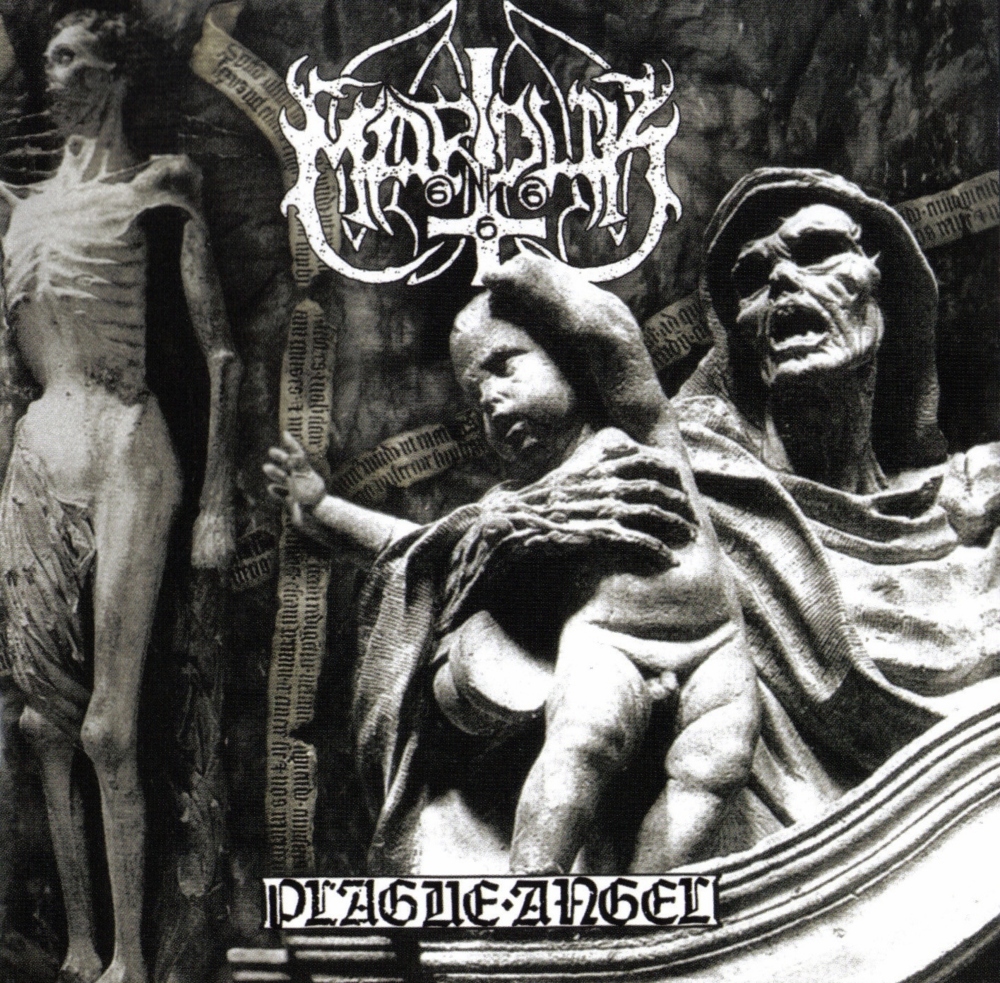
 View Artist