Song Meaning
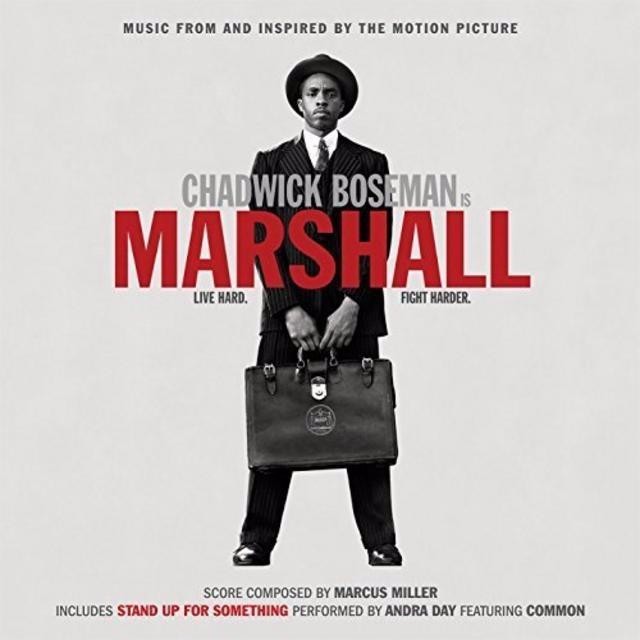
Marcus Miller's "Marshall Speaks" isn't a song in the conventional sense; it's a raw, spoken-word address, a stark warning delivered with the weight of lived experience. The track derives its power from the words themselves, presumably sampled from a speech or interview with Thurgood Marshall, the first African-American Supreme Court Justice. The recording captures a weary, almost resigned tone, hinting at battles fought and the persistent threat of regression. It's a call to vigilance, a sober assessment that progress isn't linear or guaranteed. The opening sentiment is particularly haunting – the speaker's own family struggles to grasp the hardships he endured, a sentiment that speaks to the ever-widening gap between generations and their understanding of historical struggles.
The core of "Marshall Speaks" lies in its unflinching examination of systemic inequality. Marshall's words cut through superficial pronouncements of progress, pointing to the insidious ways prejudice reinvents itself. The line about "old lies being done more cleverly" is a razor-sharp observation about the evolution of oppression, from overt discrimination to subtle, institutionalized biases. The repeated assertion, "What more is there to say?" isn't an admission of defeat but a challenge. It compels the listener to confront the uncomfortable truth that despite legal advancements, the fundamental power dynamics remain skewed. The closing metaphor – "your foot on my neck will still strangle me" – is both visceral and timeless, a stark reminder that oppression, regardless of its form, ultimately seeks to suffocate.
Miller's choice to frame Marshall's words within a musical context elevates the message beyond a simple historical soundbite. It transforms the speech into an urgent artistic statement, a call to action that resonates with contemporary struggles for social justice. The absence of traditional song structure forces the listener to focus intently on the lyrics, amplifying their impact. "Marshall Speaks" serves as a potent reminder that the fight for equality is not a relic of the past but an ongoing battle that demands constant vigilance and a willingness to confront uncomfortable truths. It's a sobering reflection on how easily progress can be undone and how vital it is to remain aware of the ever-evolving forms of oppression.
 View Artist