Song Meaning
The narrator grapples with a profound sense of displacement, questioning the direction of their heart and yearning for a sense of belonging. The initial lines paint a picture of someone who once held their emotions close, but now feels lost, needing a "home" more than just physical presence. This desire for stability is contrasted with a history of restless movement, suggesting a deep-seated internal conflict.
The core tension emerges from the narrator's past actions: "Já andei mais do que devia" (I've walked further than I should have) and "Segui em frente sem olhar" (I kept going without looking). This relentless forward motion has led to a point of uncertainty, where the narrator can no longer distinguish between "orgulho" (pride) and "cobardia" (cowardice) as the motivation for their journey, and crucially, they "já não sei como voltar" (no longer know how to return). This inability to retrace steps highlights a feeling of being irrevocably changed or lost.
The lyrics masterfully employ a series of escalating needs, moving from the physical to the existential. The narrator requires more than just a "corpo" (body), but a "lar" (home), more than just "estar" (to be), but "ser" (to be). This progression culminates in a plea for "paz" (peace) and "luz" (light), suggesting a spiritual or emotional exhaustion. The repeated refrain about pride or cowardice and the inability to return underscores the emotional weight of this internal struggle.
Ultimately, the effectiveness of these lyrics lies in their raw vulnerability and the relatable feeling of being adrift. The narrator's admission of not knowing how to return, coupled with the desire for simple peace and light, resonates deeply. It's a powerful portrayal of the human condition when the path forward becomes unclear and the desire for a foundational sense of self and belonging takes precedence over past achievements or perceived strength.
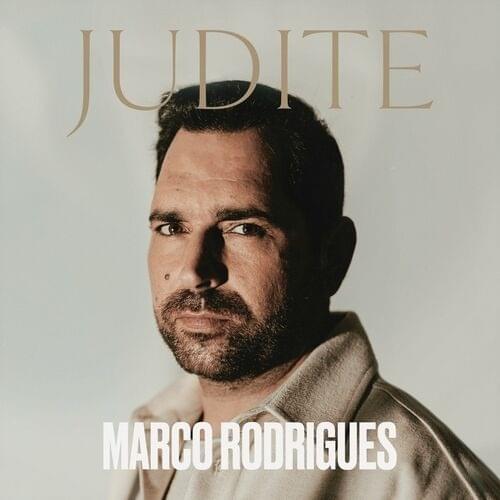
 View Artist