Song Meaning
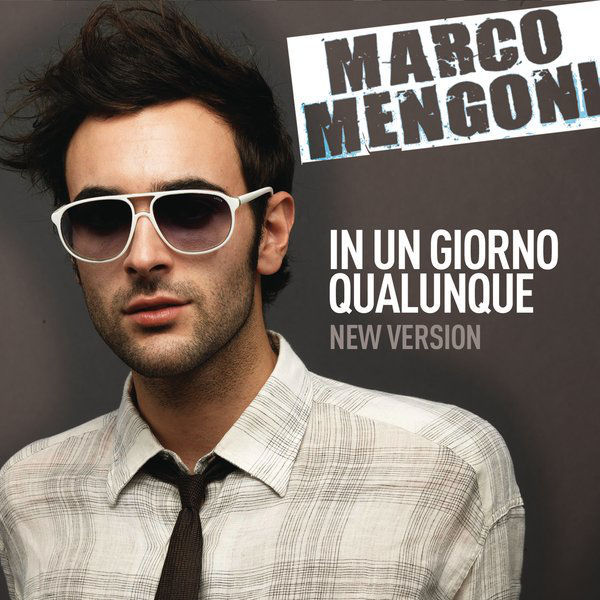
Marco Mengoni's "In un giorno qualunque" isn't just a love song; it's a raw, exposed nerve of longing and self-doubt, laid bare for the listener. The track wrestles with absence, the kind that leaves you gasping for air in its wake, as Mengoni sings, "Anche se non respiro e non mi vedo più/In un giorno qualunque dove non ci sei tu" (Even if I don't breathe and I don't see myself anymore/On any given day where you are not there). The lyrics suggest a relationship fractured, not necessarily ended, but existing in a perpetual state of 'almost,' a painful limbo where the singer feels invisible without the presence of the beloved.
The song meaning delves into the universal desire for significance within a relationship. Mengoni voices this yearning with stark honesty: "Voglio essere importante per te/E non per la gente" (I want to be important to you/And not to people). This lyric highlights the core vulnerability – the need to be seen and valued by the one person who truly matters, not for external validation. This sentiment is further amplified by the repeated references to waiting, a passive state that underscores the speaker's feeling of powerlessness and dependence on the other person's actions.
Beneath the surface of yearning, a deeper psychological tension exists. The lyrics hint at a struggle with self-perception and identity. The line, "Anche se non respiro e non mi vedo più" is not just about missing someone; it speaks to a loss of self, a feeling of incompleteness when separated from the object of affection. The insistence on a future where "ogni tuo passo si confonde col mio" (every step of yours merges with mine) reveals a desire for complete fusion, blurring the boundaries of self and other, a potentially unsustainable, yet undeniably powerful, romantic ideal. The song becomes a poignant exploration of how our sense of self can become intertwined with, and sometimes dependent on, the presence and validation of another.
 View Artist