Song Meaning
The lyrics paint a stark picture of obsessive longing and self-destructive behavior, all centered around a lost connection. The narrator repeatedly equates their own desperate state with the imagined state of the person they're missing, using phrases like "Come me senza te" (Like me without you) to blur the lines between their pain and the other person's. This creates an immediate sense of shared, albeit projected, misery, suggesting a relationship where codependency was the norm, even if unhealthy.
The core tension lies in the narrator's inability to escape the obsession, even when attempting to move on. Returning to "lei" (her) offers no solace, only a "pena" (pity) for themselves, highlighting that this other person is not a genuine escape. The desire for the lost lover's "dita che graffiano la schiena" (fingers scratching the back) is a visceral image of a painful, yet craved, physical connection, underscoring the depth of their fixation. The repeated assertion that "Lei non è una via d'uscita e forse non ce n'è" (She is not a way out, and maybe there isn't one) solidifies the feeling of being trapped.
The most striking aspect is the narrator's embrace of their own perceived wrongness and desperation. The line "Quando sai di essere sbagliato" (When you know you're wrong) is directly linked to the feeling of dying without the lost lover, suggesting a self-awareness of their destructive path. This is amplified in the bridge where the narrator declares they "me ne frego della libertà" (don't care about freedom) and will "spacco la città" (smash the city) with a "ago disperato" (desperate needle) inside them. This imagery evokes a raw, chaotic energy fueled by addiction or intense emotional pain, a willingness to burn everything down rather than face the emptiness.
Ultimately, the effectiveness of these lyrics stems from their unflinching portrayal of a destructive loop. The narrator doesn't seek redemption or a healthy resolution; instead, they wallow in the shared "disperato" state, finding a perverse comfort in the idea that their pain is mirrored. The outro, with its "annaffic il muro con il mio veleno" (watering the wall with my poison) and "amore a muso duro" (tough-love relationship), solidifies this bleak outlook, where even love is a bitter, destructive force with no apparent escape.
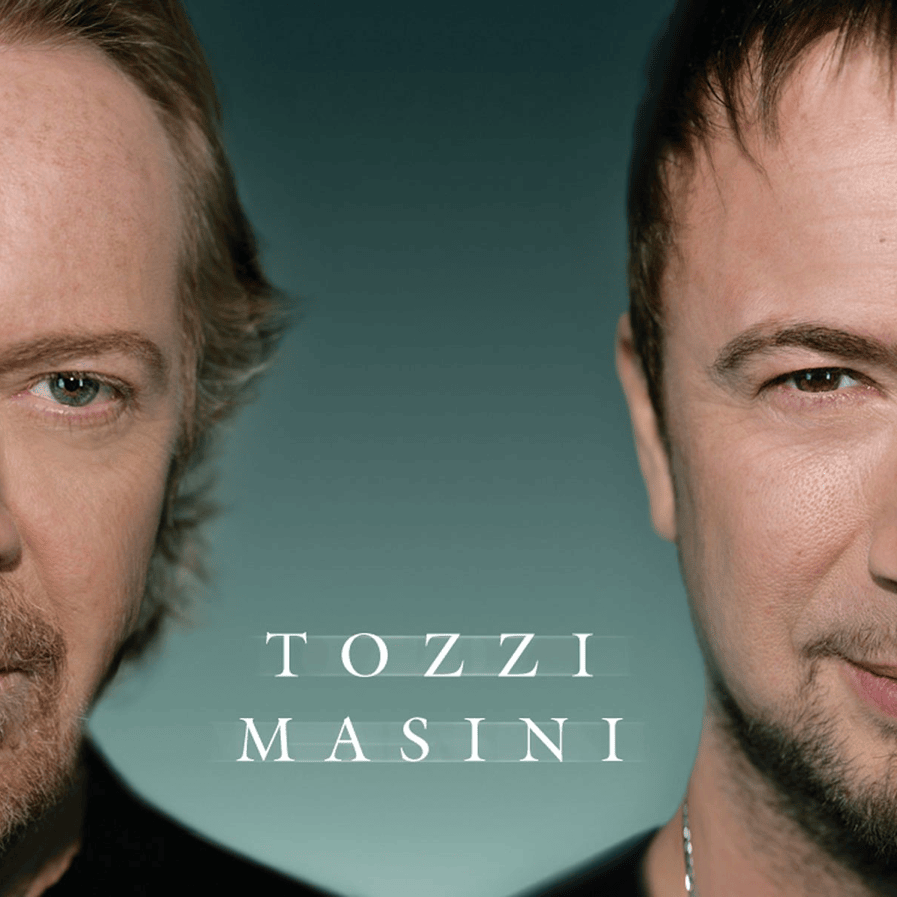
 View Artist