Song Meaning
The lyrics paint a stark picture of a child sent away, perhaps to a boarding school or institution, with reassurances that it's temporary and beneficial. The narrator recalls being told, "presto ci rivedremo" (we'll meet again soon) and that "si mangia bene" (you eat well there). This initial framing of a temporary, even comfortable, separation quickly dissolves into a harsh reality of isolation and self-reliance.
The core tension emerges between the self-sufficient persona the narrator is forced to adopt and the profound loneliness that accompanies it. The phrase "Chi fa da sè non sbaglia mai" (He who does for himself never makes mistakes) becomes a bitter mantra, learned "a spese mie" (at my own expense). This hard-won independence, described as becoming "cattivo e forte come un re" (mean and strong like a king), is juxtaposed with the internal struggle, "sempre notte c'è" (there is always night) in the heart of one who relies only on themselves.
The most striking craft element is the subversion of the initial proverb. While the narrator initially internalizes the idea of self-sufficiency as strength, the latter half reveals its devastating cost. The realization that "l'amore non si fa da sè" (love cannot be made by oneself) is a powerful counterpoint, highlighting that true connection, unlike material or personal success, requires another. The image of a wound opening, releasing "la vita le nuvole e i colori" (life, clouds, and colors), suggests that vulnerability and shared experience, not isolation, bring true vitality.
This lyrical arc is effective because it grounds an abstract concept in a deeply personal narrative of loss and self-discovery. The shift from a child's naive acceptance to an adult's painful understanding makes the final lines resonate with a profound sense of regret. The narrator's desperate plea, "Ma senza te non so nemmeno più chi sono io" (But without you, I don't even know who I am anymore), underscores that the strength forged in solitude ultimately leaves them incomplete, yearning for the very connection they were taught to eschew.
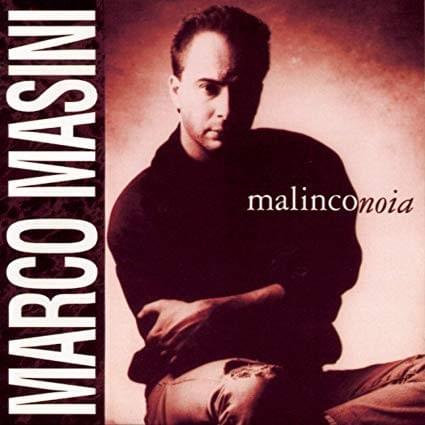
 View Artist