Song Meaning
Marco Borsato's "Zonder Jou" doesn't just depict loss; it inhabits the shattered emotional landscape left in its wake. The track's power resides in its stark simplicity, a repetitive hammering home of the phrase "Zonder jou" (Without you). This isn't a narrative of grief, but rather an immersive sensory experience of absence. The listener isn't told about the void; they are made to feel it in the relentless repetition, the sonic echo of a life irrevocably altered. Borsato masterfully evokes the disorienting nature of profound grief, where time loses meaning and identity dissolves. The lyrics speak to a fragmented self, adrift and unmoored: "Zonder jou ben ik mijzelf kwijt" (Without you, I am lost myself). This isn't mere sadness; it's an existential unraveling.
The song's brilliance lies in its exploration of the liminal space between memory and reality. The lines "Het is alsof je stem hier nog is blijven hangen" (It is as if your voice is still hanging here) capture the haunting presence of the absent loved one. It is not just memory, but a near-palpable sensation, a phantom touch that underscores the agonizing nearness and yet ultimate distance. This creates a psychological tension, a desperate clinging to the vestiges of what was, even as the reality of the loss crashes down. The phrase “Net alsof je heel dicht bij bent maar zo ver hier vandaan” (It's as if you are very close but so far away) encapsulates this feeling.
Ultimately, "Zonder Jou" transcends a simple love song. It's a raw, unflinching examination of the human psyche under duress. Borsato doesn't offer platitudes or resolutions; instead, he lays bare the agonizing reality of living in the shadow of loss. The repetition of "Zonder jou" transforms from a statement of fact into a desperate, almost primal scream, a testament to the enduring power of connection and the devastating consequences of its rupture. The final lines, "Zonder jou zo ontroostbaar / Zonder jou kan ik het niet meer aan" (Without you so inconsolable / Without you I can't take it anymore), deliver an emotional gut punch, highlighting not just sorrow, but a near-intolerable burden of existence.
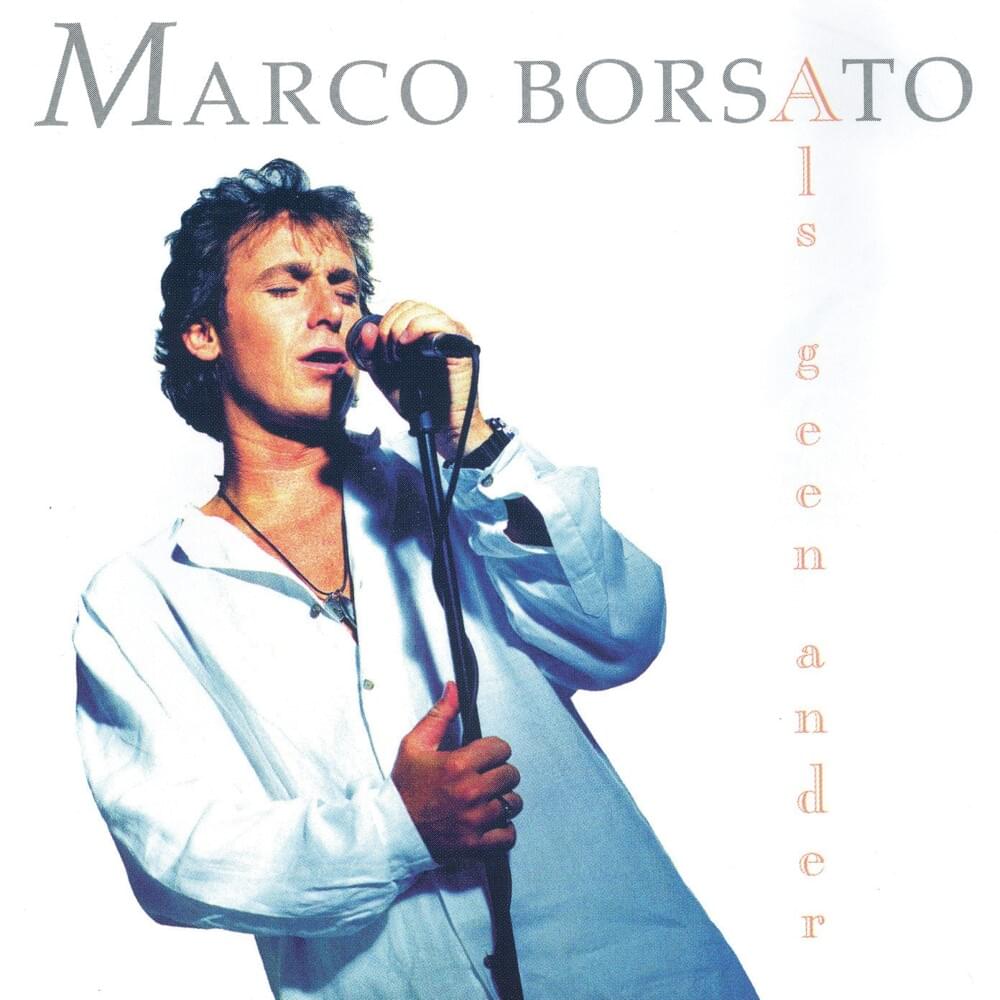
 View Artist