Song Meaning
Marco Borsato's "Solitudine" isn't just a song about loneliness; it's a visceral portrait of isolation rendered in the stark hues of urban melancholy. The opening lines, "Gente che va, Le luci giocano con me Quaggiu in citta" immediately set the scene: a solitary figure amidst the anonymous bustle of the city, where even the playful lights seem to mock his solitude. He's searching for something intangible, a connection perhaps, but finds only the hollow echo of his own longing. The drunkard's clumsy attempt at camaraderie only amplifies the feeling of detachment, the world reduced to a 'monotonia,' a dull, repetitive film reel. He's lost in the cityscape, counting stars not for romance, but as a distraction from the 'malinconia' that claws beneath his skin. The only antidote, the lyrics suggest, is the absent 'lei,' the woman whose presence ignites his imagination and temporarily banishes the encroaching darkness.
The core of "Solitudine" lies in its exploration of loneliness as an active force, a malevolent entity that 'takes you by the hand' and slowly ensnares you like a hidden hook ('come un'amo che Ti cattura pian piano'). It's a loneliness that evades visual or tactile confirmation ('Non la vedi mai, non la toccherai') yet permeates the very core of his being, a constant ache in the heart. Borsato doesn't portray loneliness as a passive state of being, but as an insidious disease ('brutta malattia') that demands to be left in peace. This personification of solitude transforms it from a simple emotion into a formidable adversary, a shadow that clings to him despite his yearning for connection.
In the song's later verses, the sense of alienation deepens. Even amidst the blossoming romances of the city, he remains an outsider, a stray dog ('randagio') aimlessly sniffing the air. Stripped of purpose and discovery, he's left with nothing but the weight of his thoughts and the desperate plea for his woman to return and never leave again. The repetition of the chorus reinforces the cyclical nature of his despair, the relentless grip of solitude tightening with each passing moment. Through Borsato's evocative lyrics and emotive delivery, "Solitudine" becomes more than just a song; it's an anthem for the unseen, unheard sufferers of modern isolation, a poignant reminder of the universal human need for connection in a world that often feels increasingly disconnected.
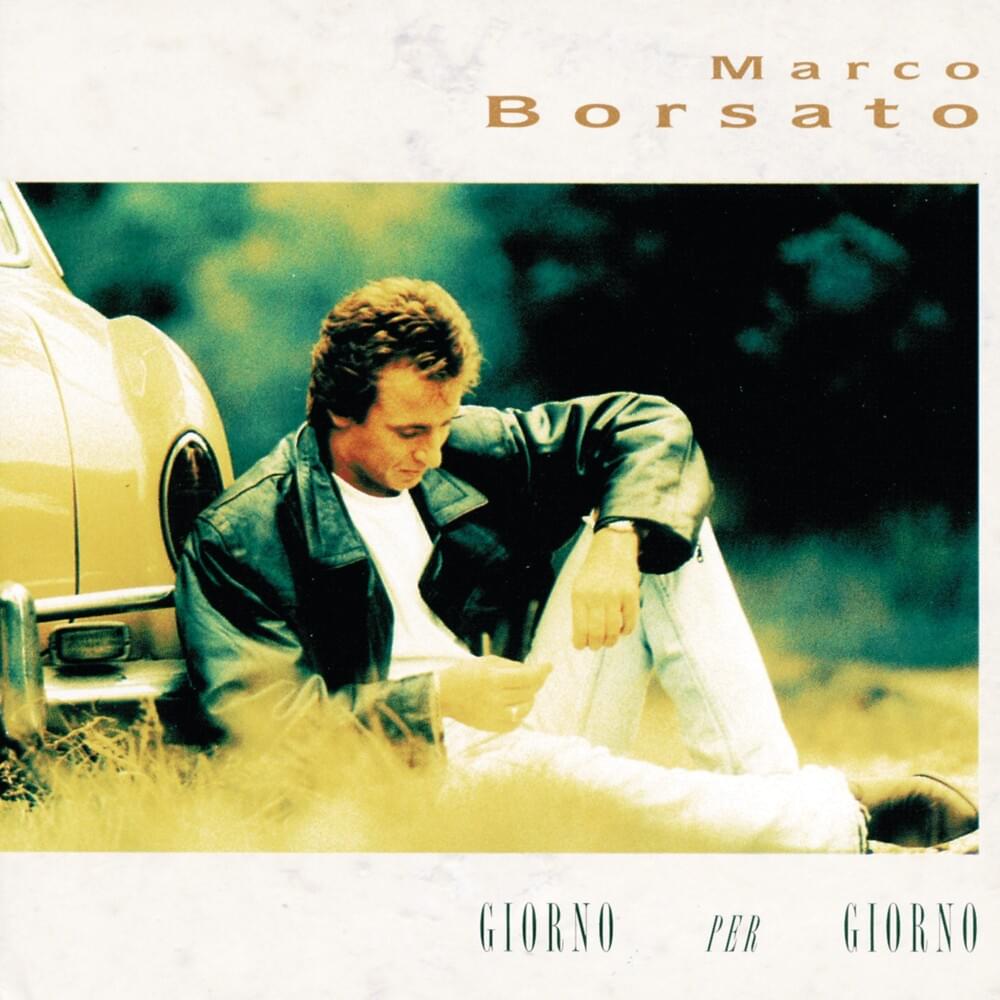
 View Artist