Song Meaning
Marco Borsato's "Bambina Mia" isn't just a love song; it's a desperate plea for the reclamation of innocence in a world corroded by apathy and hypocrisy. The opening lines paint a bleak picture: a world "that is rotten now," where serenity has been scorched. The lyrics suggest a profound loss, a selling-off of freedom that leaves the central figure, the "Bambina Mia," vulnerable and lost. This isn't simply romantic heartbreak; it's a lament for a broader societal decay that preys on the vulnerable. The "Bambina Mia" becomes a symbol of lost purity. It represents something precious stolen by the "rotten" world. The intensity of the lyrics captures the artist's raw emotion and concern about the loss.
The repeated chorus, "Bambina mia, amore mio, torna da me poi sarai felice," acts as both a beacon of hope and a promise of salvation. The singer believes that happiness and strength can be found in togetherness, in fighting back against the encroaching darkness. The lyrics suggest a desire to protect this "Bambina Mia" from the "apathy [and] hypocrisy" that are consuming the world. It's a call to return to a state of grace, a time before innocence was lost. The phrase "insieme noi più forti noi vinceremo!" (together we, stronger we, will win!) acts like an anthem.
Beneath the surface of "Bambina Mia" lies a deeper commentary on the human condition. The song touches on the soul-crushing effects of societal ills, how they penetrate "to the soul of men, extinguishing them." Yet, even in this grim assessment, there's a flicker of hope, a belief in the power of connection and love to revive what has been lost. The lyrics imply that the path to recovery lies in collective action and unwavering support. Borsato seems to suggest that reclaiming lost innocence and fighting against apathy is not an individual battle, but a shared struggle, a sentiment that resonates deeply in an increasingly cynical age.
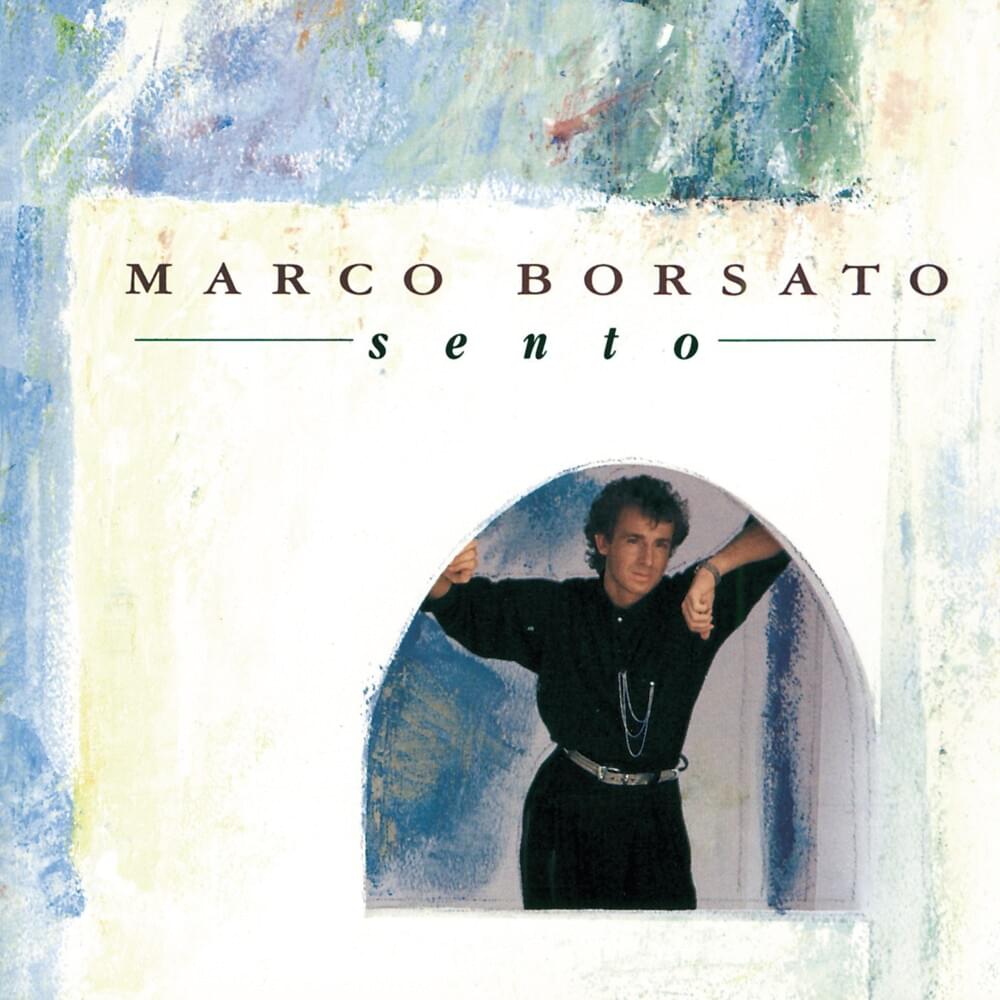
 View Artist