Song Meaning
Marco Antonio Solís’s "Sin Lado Izquierdo" isn’t just a goodbye; it’s a masterclass in melancholic resignation, a sonic portrait of a man dismantling his own heart with surgical precision. The song meaning resides in the stark acknowledgment of unrequited love and the painful grace of letting go. Solís, a maestro of heartbreak, doesn't wallow; he dissects the situation with a clarity that's both admirable and deeply affecting. He understands he's not the one occupying the coveted space within her heart, and that realization forms the bedrock of his departure. The opening lines, “Adiós amor / Sé que me tengo que ir / No te sientas mal / Yo te comprendo,” aren't laced with bitterness, but rather a weary acceptance. He absolves her of guilt, understanding that matters of the heart defy logic or blame. This isn't a scorned lover's rant; it's a mature man facing an unwelcome truth.
The chorus unveils the core metaphor: leaving "sin lado izquierdo" – without his left side, the place where he held her close. This physical absence symbolizes a profound emotional void. He's not just leaving a place; he's excising a part of himself. The request, “Prométeme, amor / Que vas a ser muy feliz,” is laced with both selflessness and a touch of veiled pain. Her happiness becomes the consolation prize for his loss, a twisted form of vicarious fulfillment. He asks her to validate his sacrifice by thriving in the very happiness he cannot provide. It is a testament to the depth of his affection and the crushing weight of his unreciprocated feelings.
The song's power lies in its understated delivery. There's no histrionic wailing, no over-the-top theatrics, only the quiet dignity of a man confronting his own heartbreak. The phrase "Robarme mi silencio / Tu prohibido amor" hints at a past transgression, a stolen moment of passion that now necessitates this painful separation. He takes responsibility, acknowledging his role in the affair, further solidifying the song's theme of mature acceptance. In the universe of Marco Antonio Solís, "Sin Lado Izquierdo" stands as a poignant reminder that sometimes the greatest act of love is the willingness to walk away, even when it means leaving a piece of yourself behind.
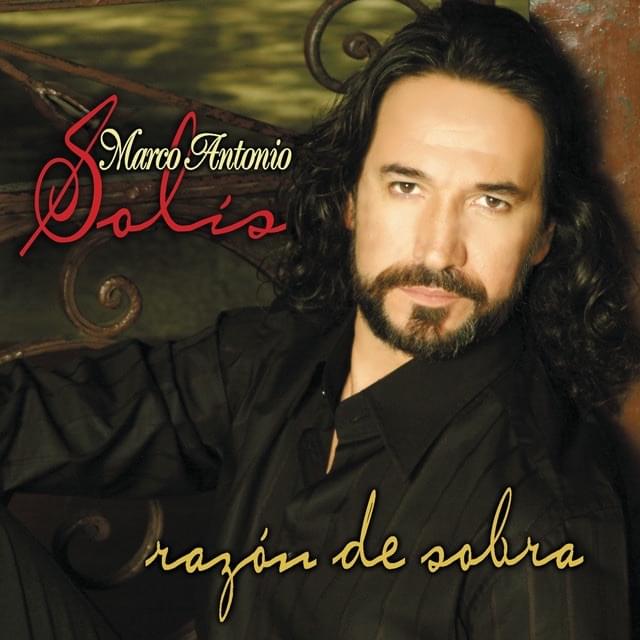
 View Artist