Song Meaning
Marco Antonio Solís's "Para Vivir Sin Ti" is less a song than a raw, exposed nerve. It plunges headfirst into the abyss of utter dependency, that horrifying realization that one's existence is irrevocably tethered to another. The opening lines drip with finality, a vow made in the hollow echo of a church, a space meant for absolution but offering none. He comes not to seek forgiveness, but to deliver a promise: he will no longer bother her. But the intensity of his words betrays the lie—this isn't about her peace; it's about his torment. The speaker isn't seeking redemption, but rather articulating the impossible task ahead.
The core of "Para Vivir Sin Ti" lies in its exploration of denial as a survival mechanism. The repeated refrain, "Para vivir sin ti no bastara / Con renunciar a tu existencia," underscores the futility of simply erasing someone from your life. It's not enough to break up, to move on; her existence is woven into the very fabric of his being. The truly unsettling part is the stated necessity of fleeing from the truth, embracing a lie, in order to survive. This isn't about healthy coping mechanisms; it's a desperate, almost primal clinging to a fiction.
The song's stark simplicity amplifies its emotional weight. Solís doesn't offer flowery metaphors or complex narratives. Instead, he lays bare the fundamental terror of being unable to imagine a future independent of a specific person. The closing lines, contrasting the vastness of the world with the inescapable reality of living without her, only heighten the sense of claustrophobia. The entire earth, the skies, the oceans – they're all just empty spaces he must now navigate, devoid of meaning without her. It's a chilling portrait of codependency, painted with the stark colors of grief and desperation. The song meaning ultimately resides in the singer's attempt to reconcile a world without his beloved, an attempt that seems doomed from the start.
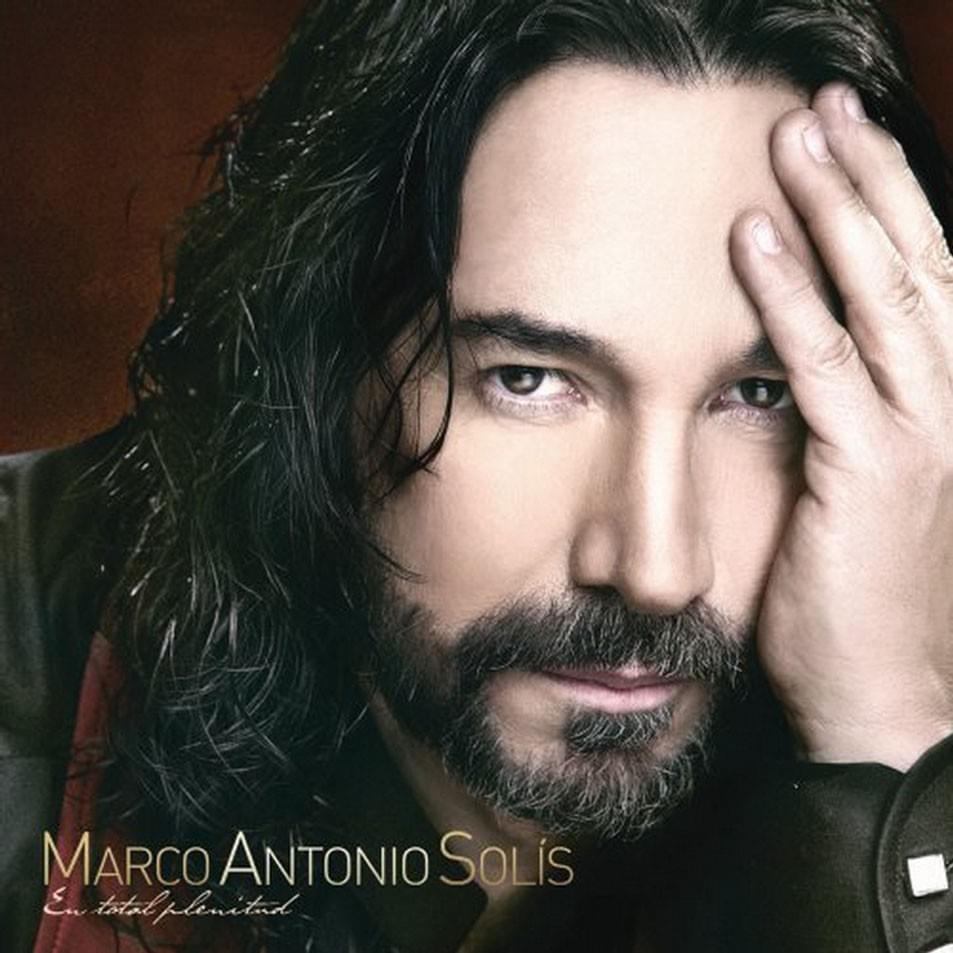
 View Artist