Song Meaning
The lyrics of "Nada a Ver" immediately plunge into a scene of palpable, yet unspoken, desire. The narrator observes the absurdity of two people meeting and trying to ignore what's clearly visible between them. There's a deep frustration at this self-imposed restraint, a sense that something vital is being held back.
The core tension here is the struggle against an undeniable, almost elemental, attraction. The lyrics repeatedly highlight this conflict: trying to avoid saying what "já dá pra ver," or attempting "se conter" when "as ondas desse mar" don't stop crashing. This isn't just a fleeting glance; it's a force of nature, an internal "brilho no olhar" that "não para de dizer" a clear message: "eu quero você." The narrator feels the futility of pretending.
The most striking craft element is the evolving metaphor of the "mar" (sea). Initially, its "ondas" (waves) symbolize an uncontrollable, crashing passion that makes suppression seem pointless. Later, the "imenso mar" itself represents the vast potential of the connection, but with a crucial caveat: "Se não se agitar / Um dia vai secar." This transformation from immediate, forceful passion to a broader, vulnerable ecosystem underscores the stakes, suggesting that inaction isn't just holding back, it's actively destroying what could be.
These lyrics are effective because they tap into a universal human experience: the fear of taking a leap and the regret of not doing so. The vivid, intimate glimpses of a potential future – "andar com quem te quer bem," "sessão de cinema às três da tarde" – make the desired outcome feel tangible and deeply personal. By grounding the emotional urgency in both natural imagery and relatable domesticity, and then delivering that stark final warning, the lyrics create a powerful sense of impending loss if the characters fail to "dar mais um passo pra frente."
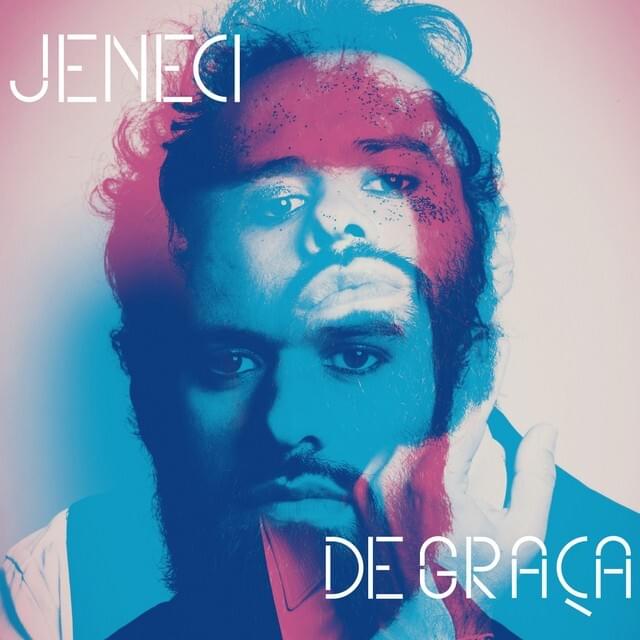
 View Artist