Song Meaning
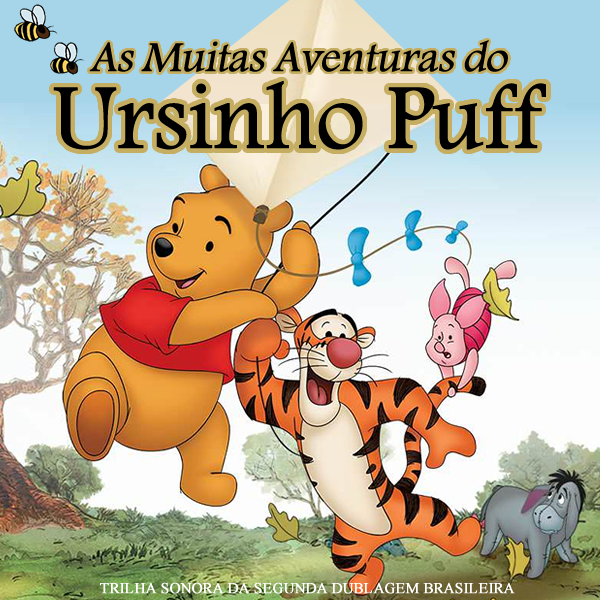
The narrator's stomach rumbles, signaling an urgent craving. This isn't just hunger; it's a primal, insistent demand for honey, described as "muito mel." The opening lines, "Pança ronca, tá na bronca," immediately establish a state of agitated need, a feeling of being cornered by desire. The phrase "Tá na hora é agora" amplifies this urgency, pushing past any potential delay or contemplation.
There's a whimsical, almost childlike fantasy of escape: the idea of learning to fly to avoid the current predicament. However, this imagined freedom is immediately undercut by a self-aware rejection of the associated identity. If the narrator could fly, they wouldn't be a bear, and crucially, wouldn't desire honey. This highlights how the craving is intrinsically linked to their current, bear-like nature.
The lyrics then pivot back to the undeniable reality of their identity: "Mas sou urso e como tudo." This acceptance of being a "peludo, barrigudo" (hairy, pot-bellied) creature solidifies the inescapable connection between their being and their desire. The repetition of "Pança ronca, tá na bronca" and the intensified "Quero muito, mas muito mel" drives home the overwhelming, unyielding nature of this specific, honey-fueled hunger.
 View Artist