Song Meaning
The lyrics paint a picture of a relationship that has drifted into parallel lives, marked by missed connections and unspoken resentments. The opening lines, "Tu dormais quand je rentrais / Tu partais quand je dormais," immediately establish a profound disconnect, suggesting a routine where partners are physically present but emotionally absent. This isn't just about differing schedules; it's a fundamental divergence in desires, with one wanting security ("Je voulai assurer") and the other seeking excitement ("Tu voulai frissoner"), leading to a state of "On passait sans se voir / On s'aimait sans se croir."
The central tension revolves around the brink of collapse, a feeling amplified by the repeated chorus: "On a cru que c'était foutu / On a cru qu'on avait perdu / On a cru que c'était fini." This refrain isn't just a statement of doubt; it's a confession of near-total despair, a shared belief that the relationship was irrevocably broken. The subsequent verses detail the decay: lost intimacy, failed attempts at connection, and growing bitterness, where "Tu criais pour des riens" and "Tu douchais mes désirs." The narrator's fading affection for his partner's scent and the partner's constant rumination on moods underscore the deep emotional chasm.
A striking element is the stark contrast between the relationship's decline and its potential resurgence, captured in the shift from "On ne se parlait plues" to "Tu a su trouver les mots / Réveiller mon ardeur et ma foi." This turning point isn't a sudden miracle but a conscious effort to rebuild, as evidenced by "On a trouver les mots / On a oser tourner les pages." The lyrics suggest that the shared belief in the relationship's end, paradoxically, might have been the catalyst for fighting for it, transforming the narrative from one of inevitable loss to one of hard-won renewal.
Ultimately, the effectiveness of these lyrics lies in their raw honesty about relationship struggles and the delicate balance between despair and hope. The cyclical nature of the chorus, bookended by the initial disconnect and the eventual decision to "tourner les pages," mirrors the difficult, often messy process of saving a love that felt lost. The final, lingering "On a cru que c'était pour la vie..." leaves a poignant echo, suggesting that even after overcoming immense challenges, the memory of how close they came to giving up forever remains a powerful undercurrent.
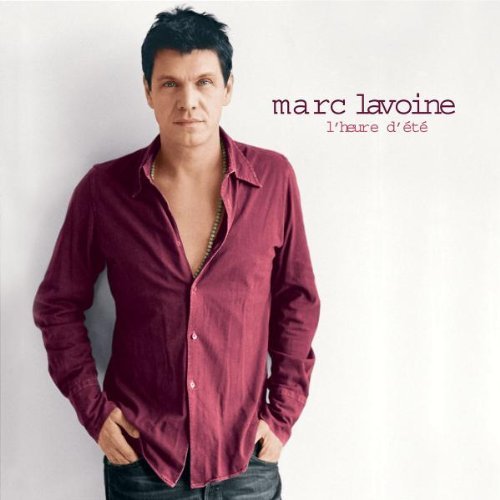
 View Artist