Song Meaning
The lyrics paint a picture of persistent longing and regret after a separation. The narrator admits to thinking, dreaming, and missing their 'chère amie' often, even as they try to move on. The opening lines, "Je pense à vous souvent / Je continue quand meme," establish a core tension: the inability to fully let go despite the passage of time and the attempt to "laisser voler le vent / Qui souffle sur la peine." This suggests a deep emotional wound that remains unhealed.
The central conflict lies in the narrator's profound sense of loss and their attempt to bridge the distance, even if only through words and imagined gestures. The repeated phrase "Je vous envoie ces quelques mots" highlights a desperate attempt to communicate, to send something tangible – "ces quelques fleurs / Avec mon cœur à l'intérieur" – as a proxy for their presence and feelings. This is juxtaposed with the stark reality of the other person's unavailability, as indicated by "Vous n'avez plus le temps / Plus une minute à vous."
The most striking aspect is the narrator's self-blame and apology. The repeated "Je vous fais toutes mes excuses" is a powerful admission of fault, suggesting the separation was a consequence of their actions. This adds a layer of complexity beyond simple heartbreak; it's a lament tinged with guilt. The imagery of "bateaux blancs / Que le désir entraîne" might hint at fleeting desires or perhaps the allure of past romantic ideals that are now out of reach, further emphasizing the melancholy.
Ultimately, these lyrics resonate because they capture the ache of a love lost, amplified by the narrator's own perceived responsibility. The simple, direct language, especially in the chorus, conveys a raw vulnerability. The contrast between the narrator's enduring feelings and the finality of the other person's absence creates a poignant, almost unbearable sense of yearning and regret.
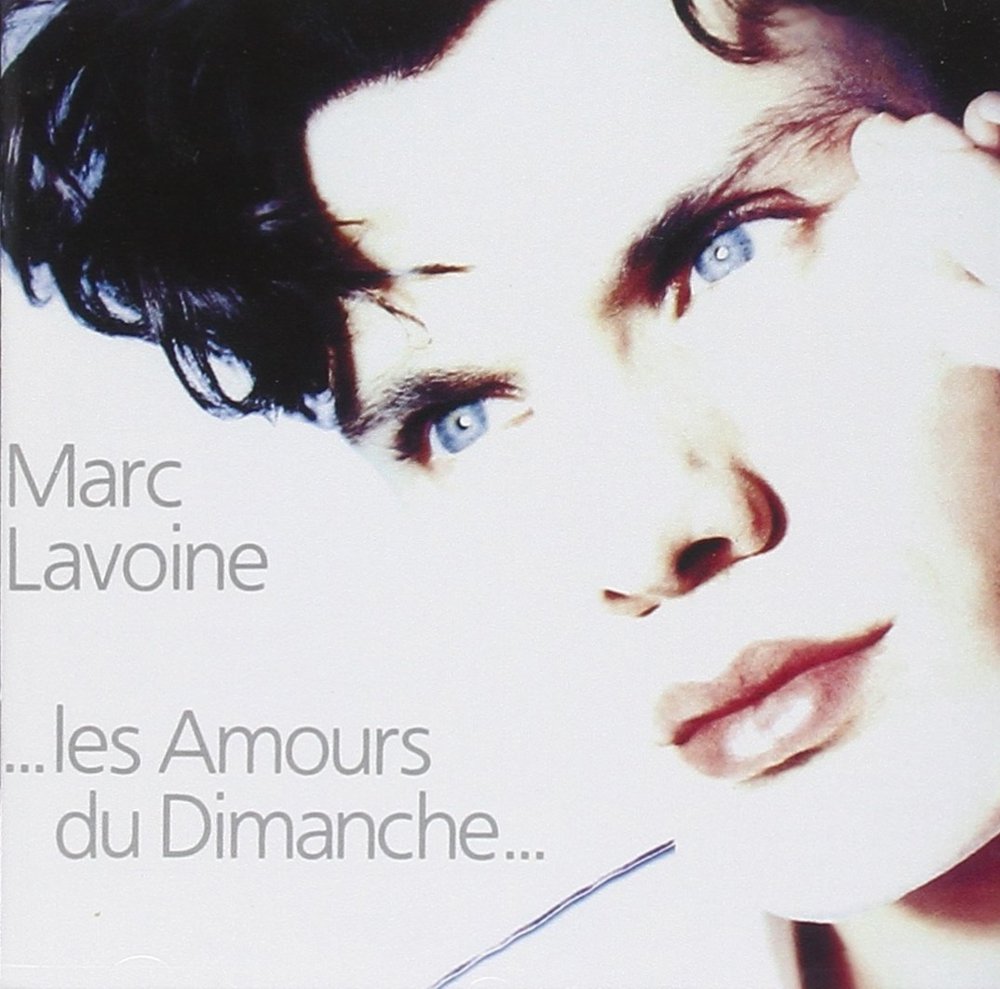
 View Artist