Song Meaning
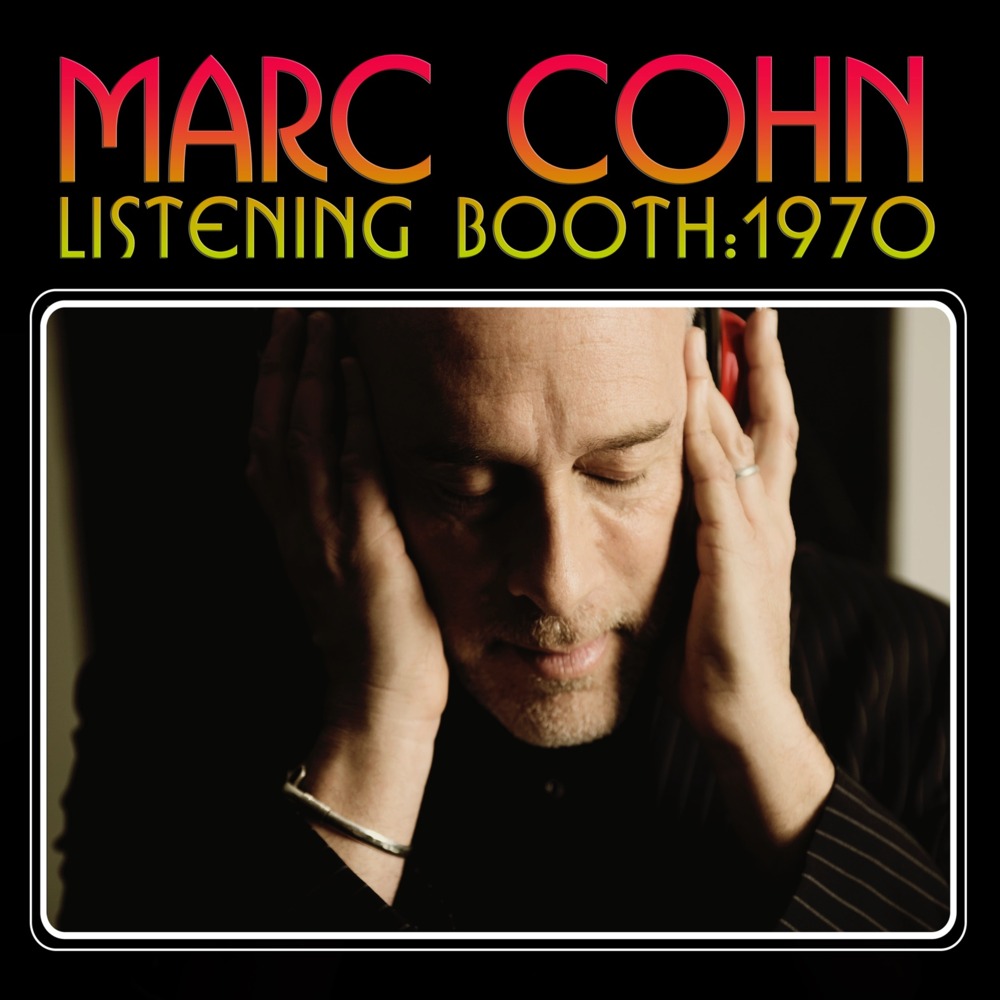
Marc Cohn's interpretation of "Into the Mystic" is a voyage beyond the literal, a yearning for transcendence couched in the language of seafaring. The opening lines position the listener outside the conventional boundaries of time, "born before the wind, younger than the sun," suggesting a primal, almost pre-human state of being. This isn't just about a boat trip; it's about tapping into something ancient and elemental, a collective unconscious where "soul and spirit" can finally break free. The "mystic" isn't a place but a condition, a merging with the infinite. Cohn uses maritime imagery to evoke something deeply personal and universally relatable.
The recurring foghorn isn't just a nautical signal; it's a call to return, a promise of homecoming that assuages fear. Its sound, usually associated with danger and disorientation, becomes a beacon of hope and certainty. The speaker's insistence on hearing it, his declaration that he doesn't "have to fear it," speaks to a willingness to confront the unknown, to navigate the uncertainties of life with courage and faith. It's a sonic manifestation of inner resolve.
Ultimately, "Into the Mystic" is an invitation to connect with the deepest parts of ourselves and with each other. The desire to "rock your gypsy soul" evokes a raw, untamed passion, a connection that transcends the mundane. The act of folding "into the mystic" together suggests a shared experience, a communion of souls seeking solace and meaning in a world that often feels chaotic and disconnected. It's Cohn's recognition that the journey inward is best undertaken with a companion, someone to share the vulnerability and the wonder of discovering the boundless within.
 View Artist