Song Meaning
{"song_id": 15332205, "meaning": "Marc Broussard's \"Just Like That\" isn't a song of gradual heartbreak; it's a sonic snapshot of the precise moment of romantic implosion. The gut-punch comes not from a drawn-out narrative, but from the abruptness signaled by the repeated phrase, \"Just like that, you're gone.\" It encapsulates the disorienting shock when a relationship disintegrates without warning, leaving the protagonist reeling in disbelief. The lyrics paint a picture of someone caught completely off guard, struggling to articulate their feelings as the other person walks away. There's a desperate plea for understanding, a bewildered accusation of unfair treatment, and the agonizing realization that love, in this instance, has been a rigged game. The raw emotion is palpable, as Broussard explores the psychology of sudden loss.
The song's power lies in its stark portrayal of vulnerability. The lines \"How could I be so blind, how could I be such a fool?\" reveal a painful self-awareness, a recognition of the protagonist's naivete in the face of a partner's deception or disillusionment. This isn't just about romantic disappointment; it's about the shattering of trust and the subsequent questioning of one's own judgment. The repetition of \"that look in your eye's got me thinking something's wrong\" acts as a haunting premonition, a subtle cue that something is amiss before the inevitable departure. It showcases the internal battle between denial and the slow dawning of truth.
Ultimately, \"Just Like That\" becomes an anthem of reluctant self-preservation. The final verse marks a turning point, a weary resignation to the capricious nature of love. The line \"If lovin' is the game, you can, you can count me out\" isn't a declaration of strength, but a wounded admission of defeat. However, the shift in perspective where he sings, \"Just like that I'm gone,\" suggests a newfound agency, a decision to preempt further heartbreak by removing himself from the situation. It's a poignant exploration of how sudden endings can force us to confront our vulnerabilities and, ultimately, choose our own well-being, even if it means walking away with a heavy heart."}
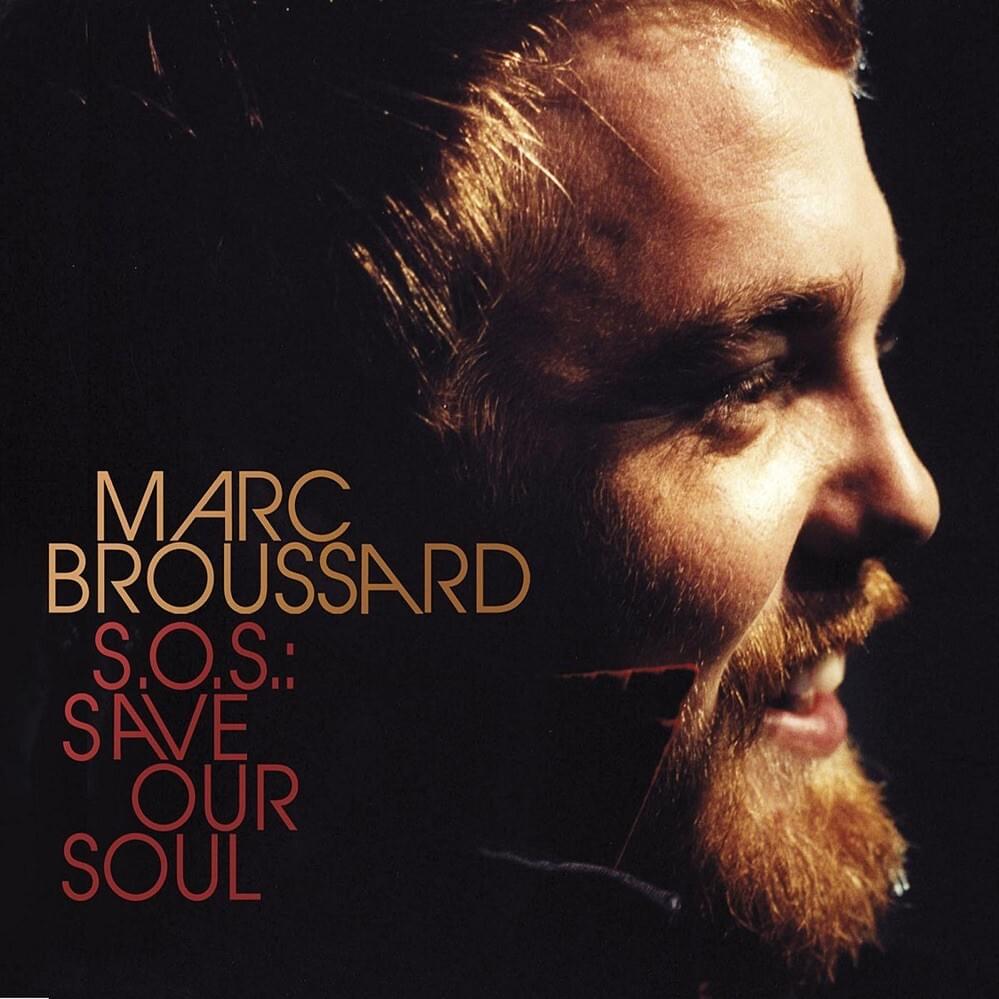
 View Artist