Song Meaning
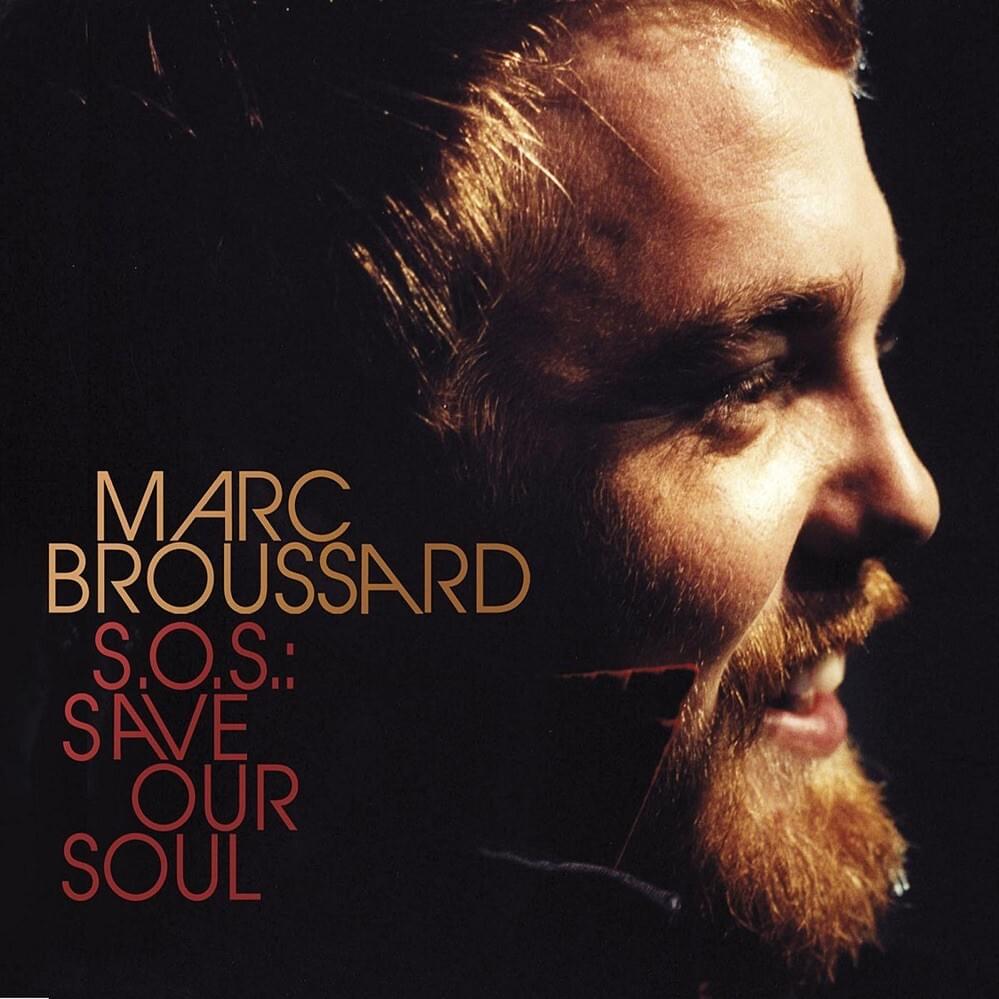
Marc Broussard's rendition of "Inner City Blues (Make Me Wanna Holler)" isn't just a cover; it's a raw, blues-soaked lament that resonates with the same weary frustration as Marvin Gaye's original. Broussard taps into the song's core: a visceral reaction to systemic oppression and economic hardship. The lyrics paint a stark picture – rockets and moonshots juxtaposed against the "have nots," money disappearing before it can even be touched, and the crushing weight of inflation and insurmountable bills. It's a cycle of despair, where young men are sent off to die, and the simple act of paying taxes becomes an impossible feat. The repeated phrase "make me wanna holler" isn't just a catchy hook; it's a primal scream against a system designed to keep people down. It's the sound of being pushed to the edge, of watching your life being dictated by forces beyond your control. Broussard’s soulful delivery amplifies this feeling of helplessness, turning the song into an anthem for those who feel unseen and unheard. The song further highlights the frustration with social judgment, with the reference to long hair and being judged by "them," which emphasizes the societal pressures and prejudices that compound the economic struggles described in the song. The cry of 'Mother, Mother' suggests a plea for understanding and solace in a world that seems indifferent to their plight.
Beneath the surface of "Inner City Blues" lies a deep psychological truth: the corrosive effect of powerlessness. The lyrics touch on a sense of futility, the feeling that no matter how hard you work, the system is rigged against you. This breeds resentment, anger, and ultimately, a desire to "holler" – to express the pent-up rage that simmers beneath the surface. The song's genius lies in its ability to articulate this feeling with such raw honesty. The references to "trigger happy policing" and "panic spreading" tap into a deeper societal anxiety, reflecting a world where fear and mistrust are rampant. Broussard's interpretation doesn't offer easy answers or solutions; instead, it serves as a mirror, reflecting back the harsh realities of a society grappling with inequality and injustice.
Ultimately, the song meaning of "Inner City Blues (Make Me Wanna Holler)" goes beyond mere complaint; it's a call for empathy and understanding. It's a reminder that behind the statistics and headlines, there are real people struggling with the daily grind of survival. Whether it's Gaye or Broussard, the song's power lies in its ability to connect with that universal feeling of being trapped, of wanting to scream out against the forces that hold us back. The song serves as both a lament for the present and a plea for a more just future, where everyone has a chance to thrive, not just survive.
 View Artist