Song Meaning
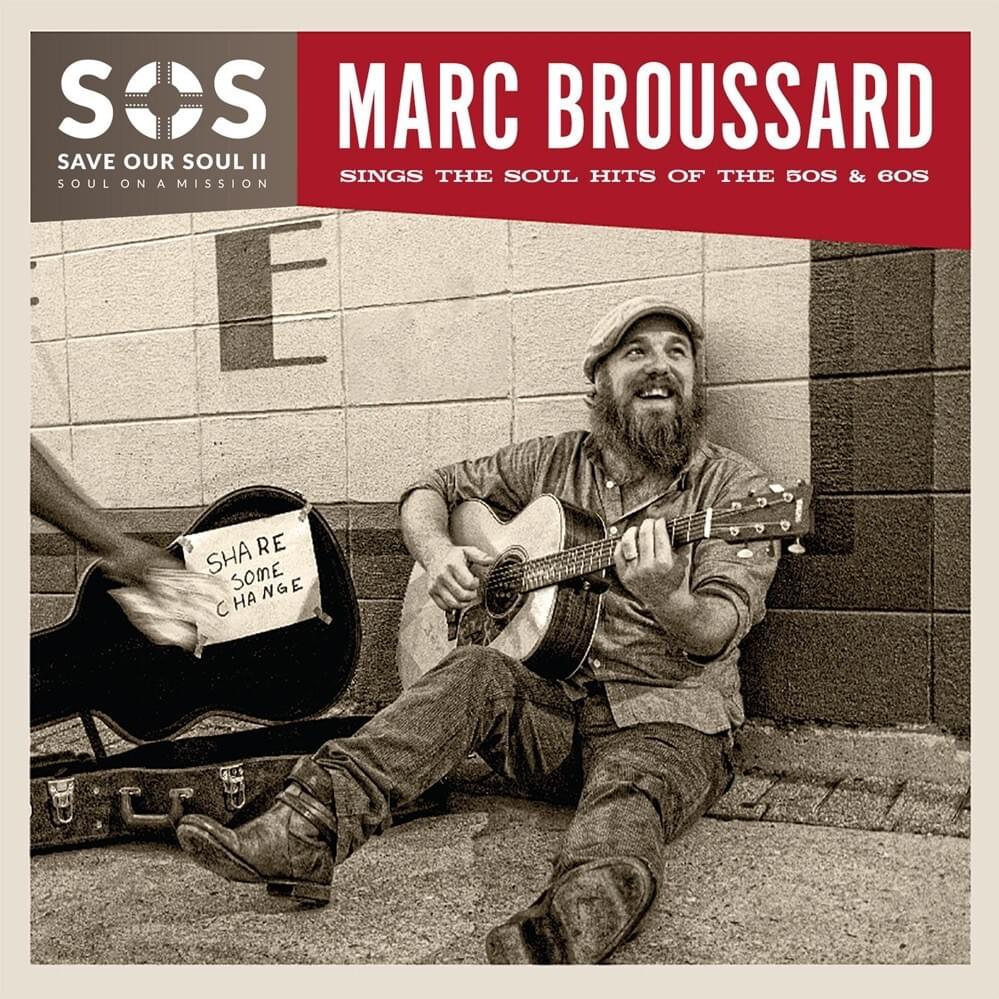
Marc Broussard's "Fool for Your Love" isn't just a profession of devotion; it's an exploration of the intoxicating, sometimes self-destructive, nature of infatuation. The opening lines, with their hyperbolic promises of mountain-climbing and ocean-sailing, immediately establish the narrator's willingness to endure any hardship for the object of his affection. This isn't just love; it's a yearning so profound it borders on obsession, a willingness to sacrifice everything for even a 'bit of your touch.' The repetition of 'fool for your love' serves as both a confession and a lament, suggesting an awareness of the irrationality of his feelings. Broussard isn't just singing about being in love; he's dissecting the feeling of being *controlled* by it.
The lyrics hint at a turning point, a moment of realization that occurred almost immediately after the initial encounter: 'The first time I noticed / Was the second that you walked away.' This suggests a relationship dynamic built on absence and longing, where the pursuit is more captivating than the presence. The question 'What can bring me closer to you? / 'Cause I just can't get enough' exposes the vulnerability at the song's core. It's a desperate plea, acknowledging an insatiable hunger that may never be satisfied. The musical interlude, signaled by 'C'mon horns...,' provides a brief respite from the emotional intensity, a moment to breathe before diving back into the depths of devotion.
The closing lines introduce a darker element of self-awareness: 'Fool me once darling / Fool me twice / Fool me three times.' This acknowledges a pattern of manipulation or, at the very least, a repeated willingness to be hurt. The narrator understands he's been played before, yet he remains susceptible to the same allure. This isn't naive love; it's a conscious choice to embrace the pain, suggesting a complex interplay of desire, self-destruction, and perhaps even a twisted sense of satisfaction. Broussard masterfully captures the bittersweet truth that sometimes, the most potent emotions are those that leave us feeling vulnerable and exposed.
 View Artist