Song Meaning
The lyrics paint a vivid picture of a passionate encounter under the moonlight, where desire overwhelms reason. The opening lines immediately establish a sense of timelessness, with each second stretching into eternity as the moon watches over the burgeoning love. This celestial gaze seems to amplify the intensity of the moment, making it feel fated and profound.
The central tension arises from the conflict between outward composure and inner desire. The narrator's hands explore, while the object of affection is described as "confundida" (confused) and "luchabas sin remedio" (fighting without remedy) against the inevitable. This suggests an internal struggle, a battle between what is expected or perhaps intended, and the raw, undeniable pull of passion that ultimately betrays any attempt at control.
The recurring image of the moon is crucial, acting as both a witness and an instigator. "La luna sobre nuestro amor" isn't just a backdrop; it's an active participant, present "de por medio" (in the middle of it all). The lyrics suggest this lunar presence is what allows for the surrender to desire, a force that "traicionando a la razon" (betrays reason). The phrase "amantes sin remedio" (lovers without remedy) highlights the inescapable nature of their connection, born from this surrendered moment.
What makes these lyrics resonate is their honest portrayal of desire's power. The shift in Verse 3, where tears are shed not from sadness but from a shared vulnerability – "Llorabas por que supe la verdad / De tu secreto" (You cried because I knew the truth / Of your secret) – adds a layer of depth. The narrator's response, "yo tambien / Tengo mi historia" (I too / Have my story), signifies a mutual understanding and acceptance, transforming a moment of intense physical passion into the foundation of a deeper, shared intimacy. The moon, initially a witness to surrender, becomes the silent catalyst for a love story built on shared secrets and acceptance.
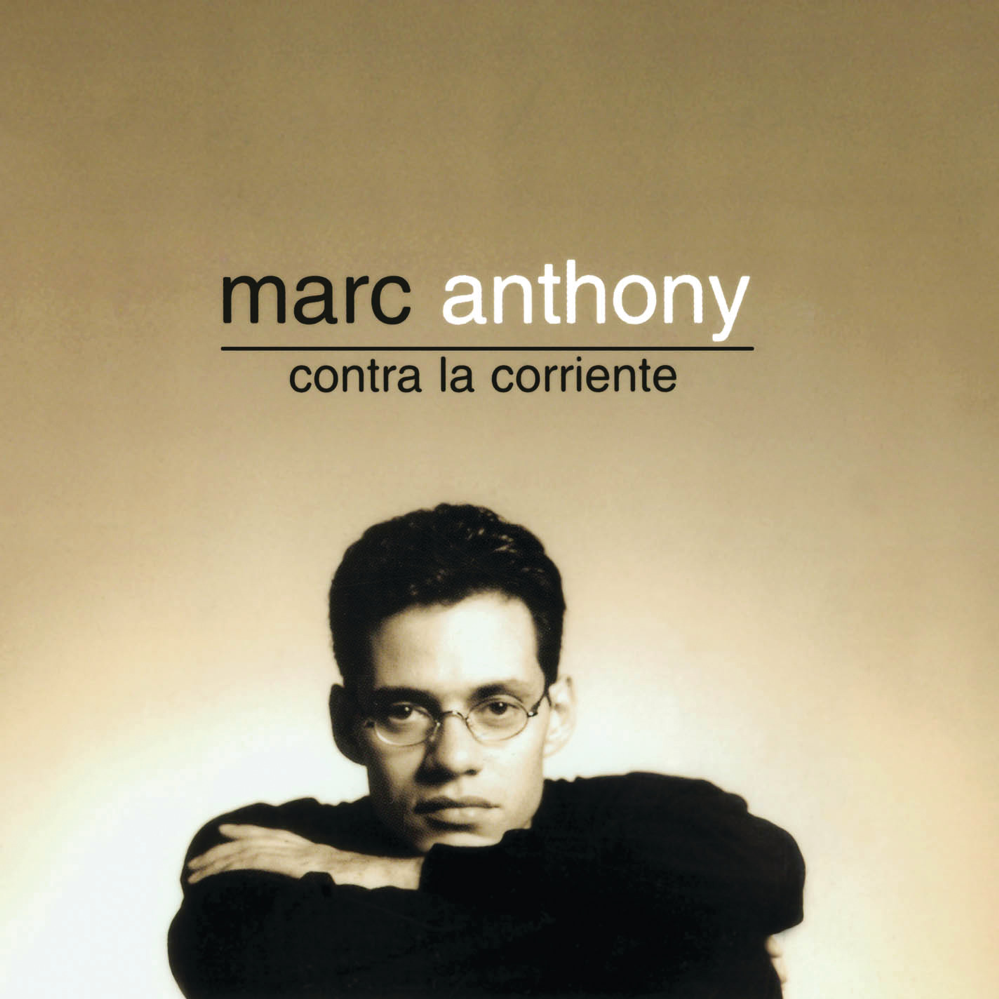
 View Artist