Song Meaning
Marc Almond's "Winter Sun" isn't just a song; it's a stark, emotionally barren landscape painted with the dying light of a love affair's final moments. The recurring motif of the 'winter sun' itself acts as a cruel paradox: a light source that offers little warmth, a fleeting beauty that underscores the encroaching cold and darkness. This isn't a gentle fading; it's a visceral disintegration, witnessed against a backdrop of stark beauty. The 'pale face with dark eyes' evokes a haunting image, a silhouette against the inevitable, capturing the ghostly presence of lovers already becoming memories. The repeated plea, 'Kiss me one last time before it dies,' underscores a desperate attempt to hold onto something tangible as it slips away. This urgency speaks to the raw human need to memorialize connection, even in the face of its demise. The imagery of blood sinking into snow provides a jarring contrast, a violent end to something once vibrant.
The lyrics are steeped in a sense of loss that feels both personal and universal. The 'phantoms in the winter sun' suggest that the lovers themselves are becoming spectral, fading into the landscape of their shared history. The 'noisy children throwing stones' offer a disturbing juxtaposition, carefree innocence existing alongside the wreckage of adult heartbreak. This reinforces the cyclical nature of life and death, love and loss, highlighting the indifference of the world to individual pain. The crows waiting for bones presents a grim reminder of mortality, a scavenging of what remains after love has withered. The central question 'Where did our love go?' isn't rhetorical; it's a genuine lament, a futile search for understanding in the face of inexplicable loss.
Ultimately, "Winter Sun" is a masterclass in using stark imagery and emotional directness to convey the pain of a love's expiration. Almond doesn't shy away from the ugliness of the ending, nor does he romanticize the past. Instead, he presents a raw, unflinching portrait of a relationship dissolving under the harsh, unforgiving light of a winter sun. The song’s power lies in its ability to evoke a profound sense of loneliness and the melancholic acceptance of inevitable change, a truth that resonates long after the final notes fade.
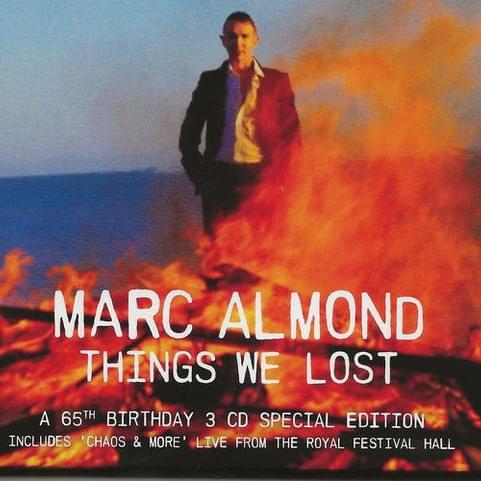
 View Artist