Song Meaning
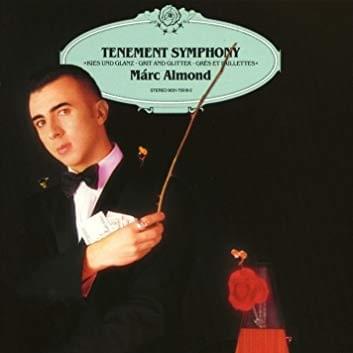
Marc Almond's "What Is Love?" isn't a chirpy, feel-good anthem; it's a stark, almost cynical meditation on the elusive nature of love, filtered through the lens of personal entanglement and existential loneliness. The song meaning unfolds as a series of contradictions, juxtaposing the idealized image of love with the messy reality of relationships. The opening verse immediately establishes a sense of fractured identity: "Caught between two love affairs, I brush my teeth and comb my hair." This mundane routine clashes sharply with the underlying turmoil, suggesting a performative aspect to daily life, a masking of deeper emotional complexities. The narrator's lies, both to others and to himself, paint a portrait of someone trapped in a web of deceit, unable to find genuine connection. The neighbor's inquiry about a departed lover amplifies the theme of isolation, hinting at a community of lonely souls each grappling with their own private heartaches. This initial setup casts a long shadow over the repeated question, "Love, what is love?" It's not a hopeful query but a plaintive cry from someone disillusioned, seeking answers in a world that seems to offer only fleeting comfort.
The song's chorus offers a litany of definitions, each more abstract and contradictory than the last. "Love is a time, love is a place, love is a season, love is a case of love" – these lines capture the ephemeral and often arbitrary nature of romantic experience. Love is reduced to a series of fleeting moments, locations, and passing phases, suggesting that it's more a construct than a concrete reality. This sense of repetition extends beyond the lyrical content, mirroring the cyclical nature of the narrator's life, described as repeating "itself like rhythms in a drum machine." This mechanical metaphor further underscores the lack of genuine emotion, reducing life and love to a series of programmed responses. The crying "for them like I cry for him" signifies a generalized grief, a lament for lost possibilities and failed connections rather than specific individuals.
The latter half of "What Is Love?" delves deeper into the darker aspects of love. It's portrayed as a fever, a dream, a source of pain, a liar, and something cruel. These descriptions directly contradict the idealized notions presented earlier, revealing the song's central thesis: that love is a double-edged sword, capable of both ecstasy and profound suffering. The lines, "They let you down, they leave you standing in the rain, they take the joy and leave the pain," encapsulate the inherent vulnerability of opening oneself to another person. The recurring motif of lying reaches its climax in the final verse, where the narrator wonders if, with everyone gone, he can now "lie about anything." This suggests a profound sense of liberation, but also a chilling emptiness. In the end, Marc Almond's song doesn't offer easy answers or comforting platitudes. Instead, it presents a complex and unflinching examination of love's inherent contradictions, leaving the listener to ponder the question of its true meaning.
 View Artist