Song Meaning
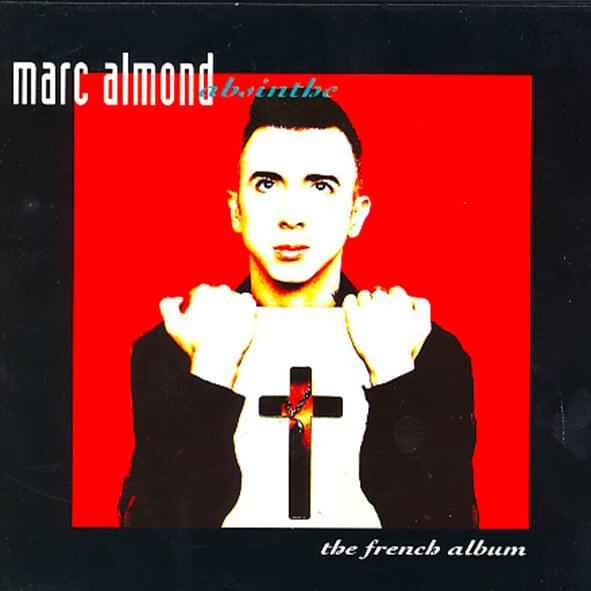
Marc Almond's "Secret Child (L'enfant secret)" isn't a song; it's a stark, intimate portrait of longing and the internal architecture we build to house our unfulfilled desires. The titular "secret child" isn't literal; it's the ghost of a potential future, a child never born, residing within the speaker's psyche. The lyrics paint a vivid picture of this inner child, a figure both comforting and haunting. He's small, intrusive, stealing dreams, yet also building castles in the air and offering wondrous journeys. It's a psychological defense mechanism, a way to cope with the absence of something deeply yearned for. The repeated lines, "He lives inside me/Secret....small...intrusive/Sometimes he steals/My dreams," function as a mantra, a constant reminder of this internal presence. The child is a source of both solace and sorrow, a testament to the enduring power of what could have been. Almond masterfully evokes the bittersweet nature of this imagined reality.
The imagery in "Secret Child" is particularly potent. The child's connection to the natural world – running on a beach, collecting seashells – suggests innocence and purity, qualities often associated with childhood. The line, "His two hands just like yours," directly implicates a specific other, presumably a lost love or a relationship that never progressed to parenthood. This adds a layer of personal grief to the song, transforming it from a general meditation on longing into a specific, poignant lament. The description of the child's eyes changing color, reflecting the speaker's emotional state, highlights the symbiotic relationship between the internal child and the adult self. The child's laughter emerging from the "deep within myself" suggests a resilience, a refusal to be completely consumed by sorrow.
Ultimately, the song's meaning resides in its exploration of the human capacity for both creation and self-deception. "Secret Child (L'enfant secret)" exposes the complex ways in which we create internal worlds to compensate for external realities. The final line, "The child.....I will never....have from you," is a crushing admission, a recognition of the permanent absence that fuels the entire song. It is a raw, unflinching look at the private grief of unfulfilled potential, rendered with Almond's signature blend of theatricality and emotional vulnerability. The lyrics analysis reveals that this song is not just about a child, but about the enduring power of absence and the psychological strategies we employ to navigate the complexities of the human heart.
 View Artist